





Solar Cycle 22
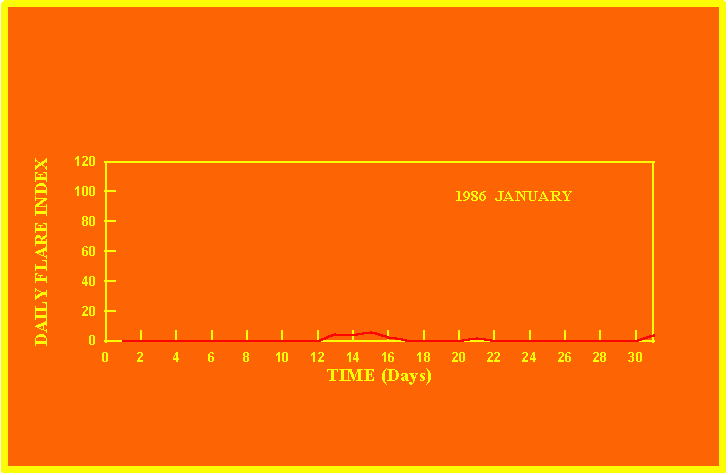
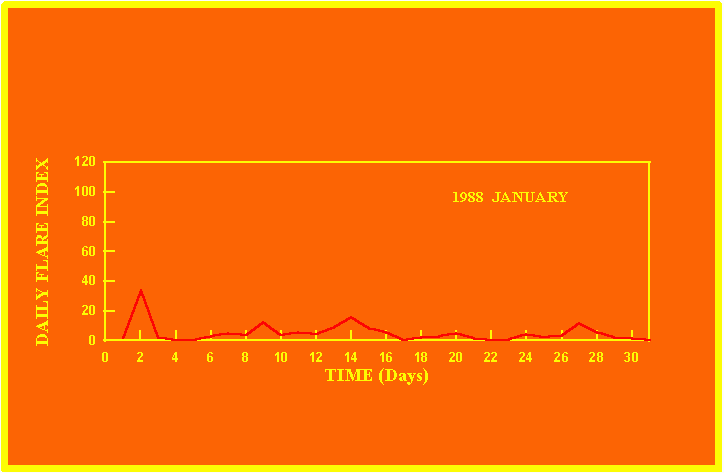
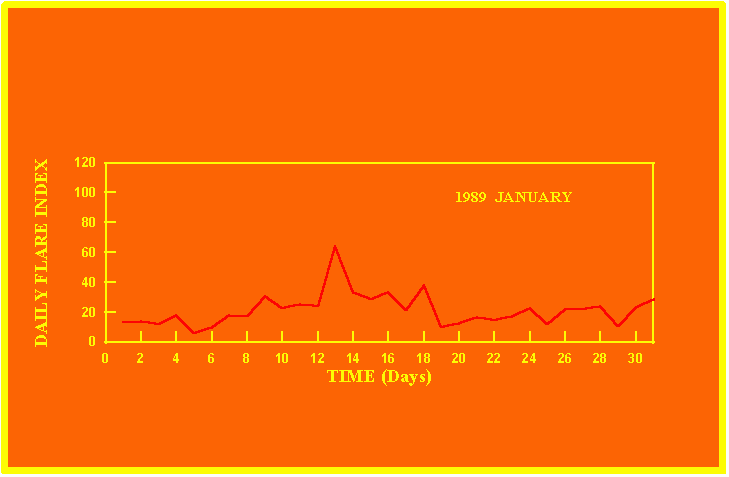
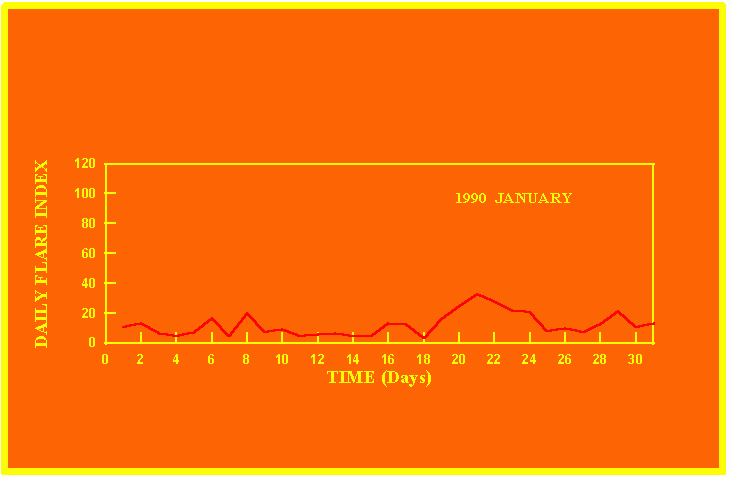
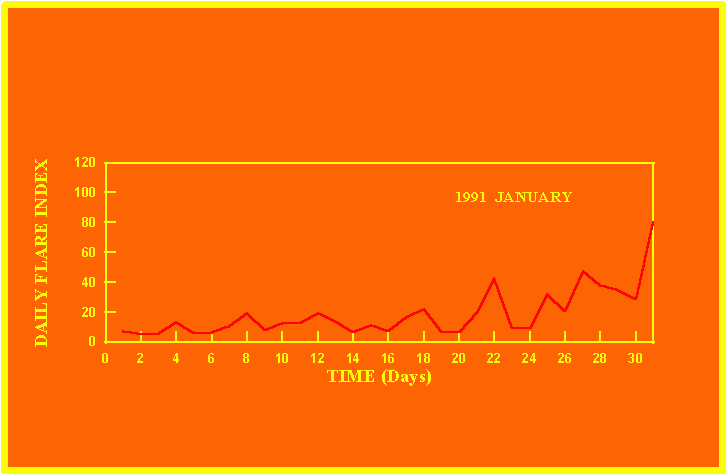
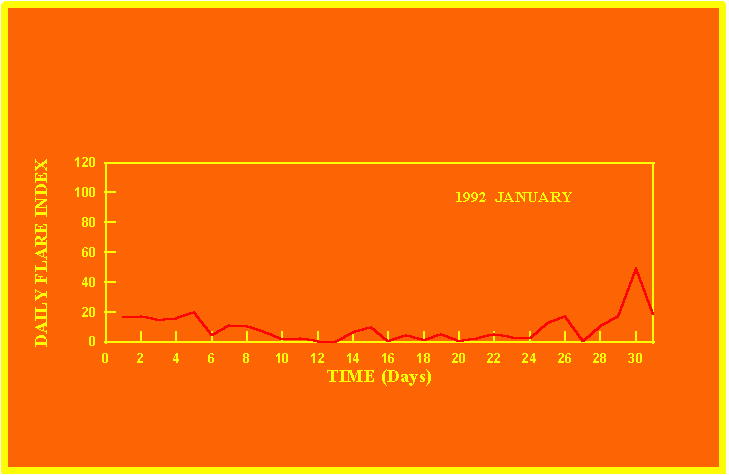
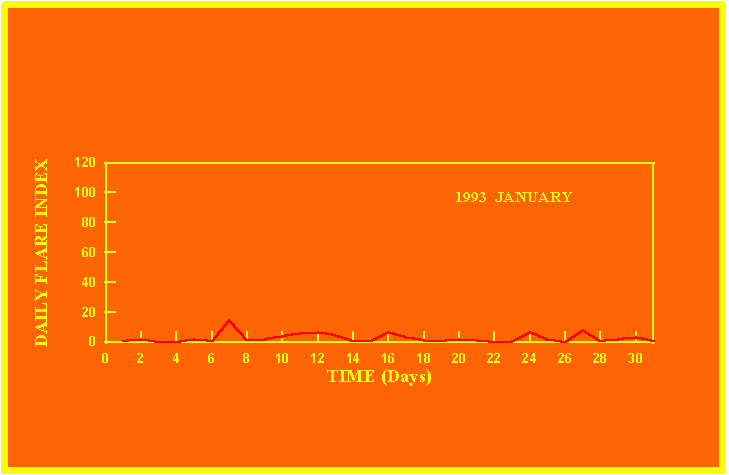
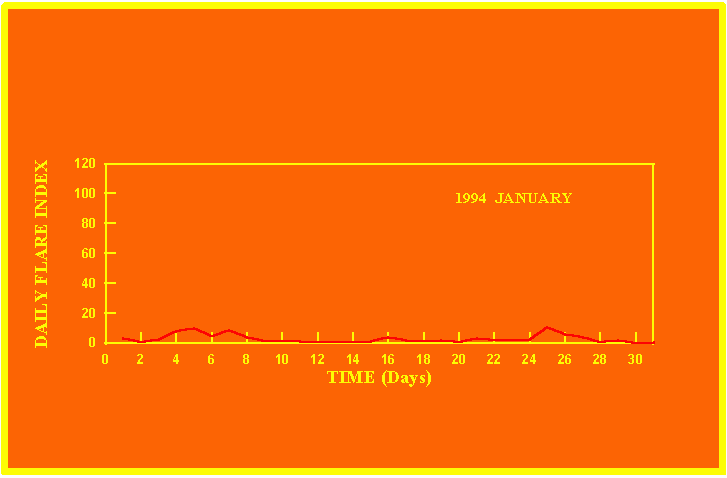
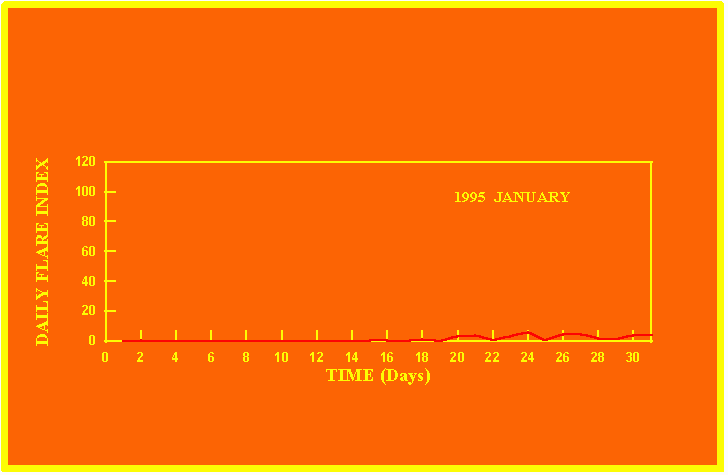
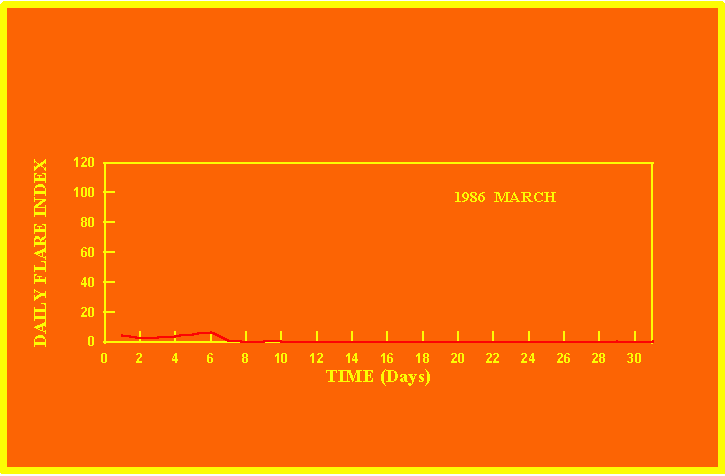
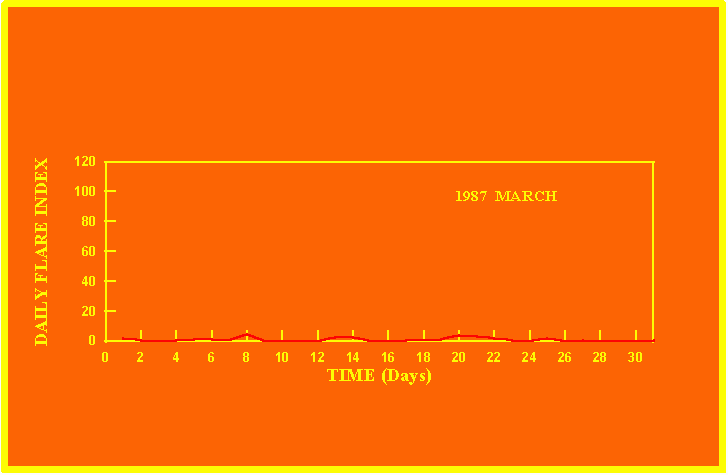
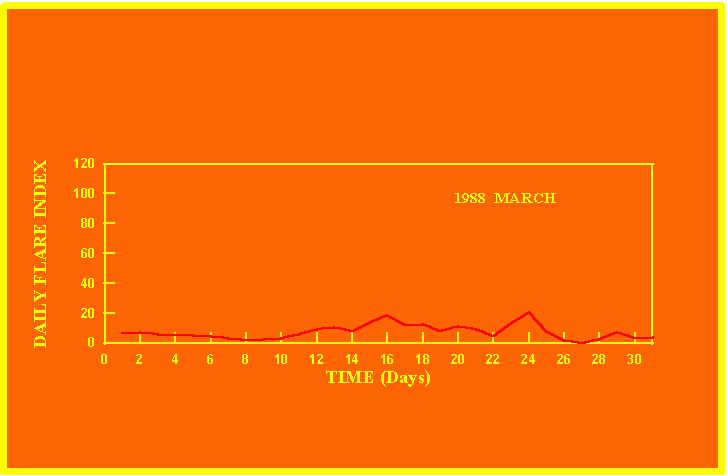
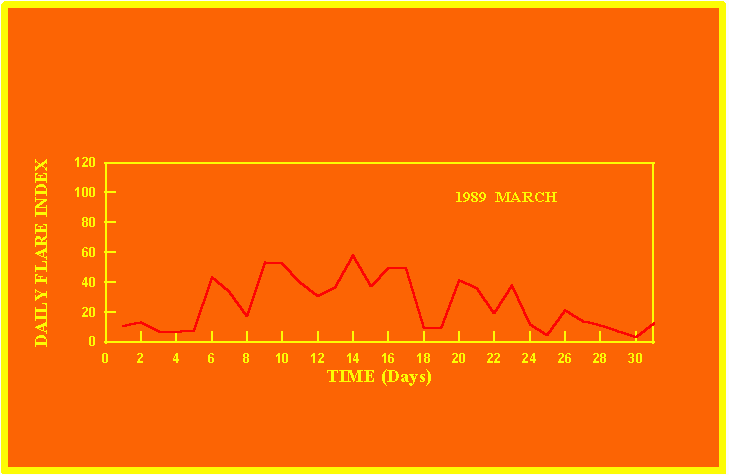
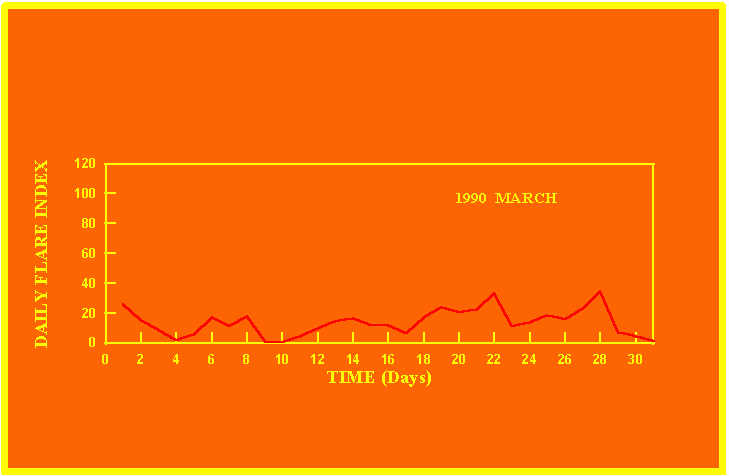
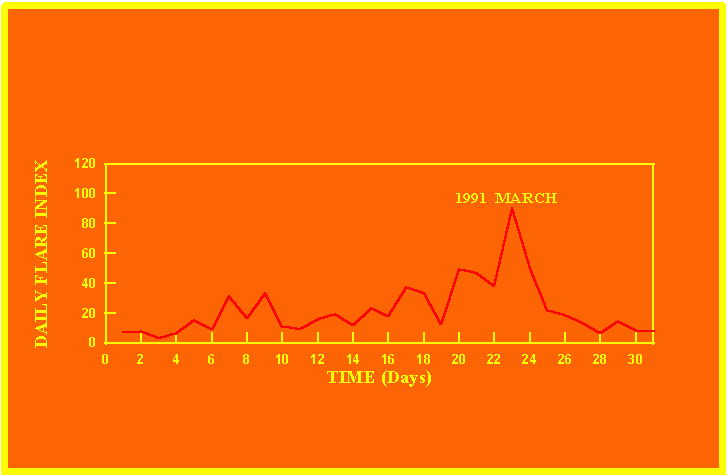
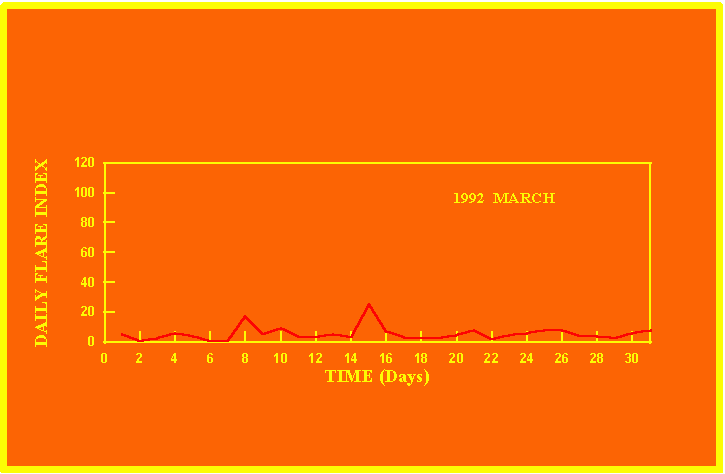
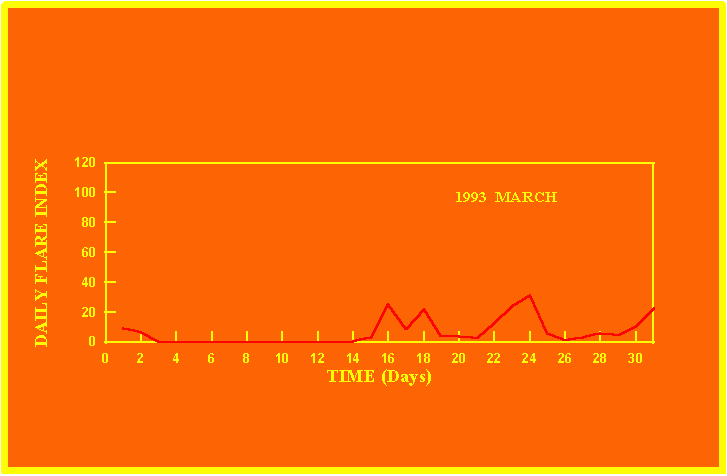
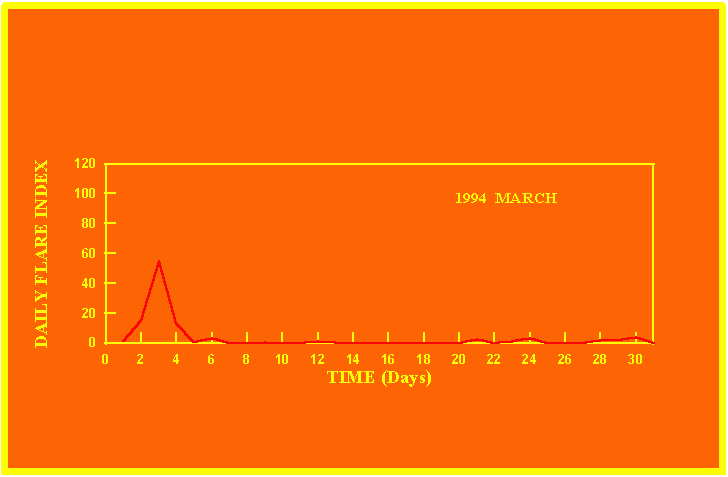
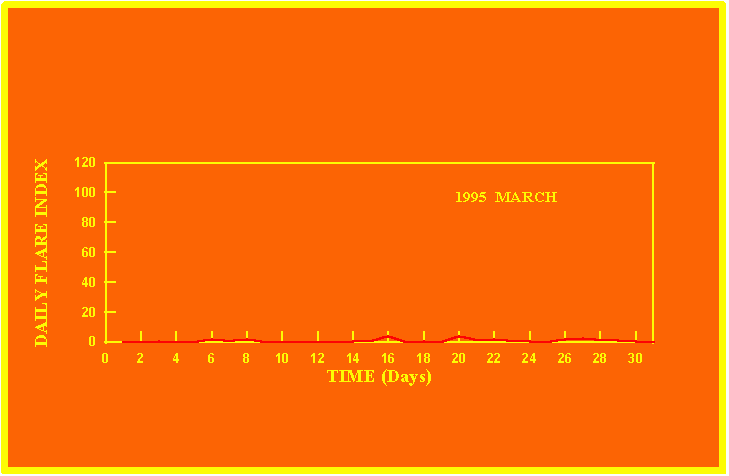
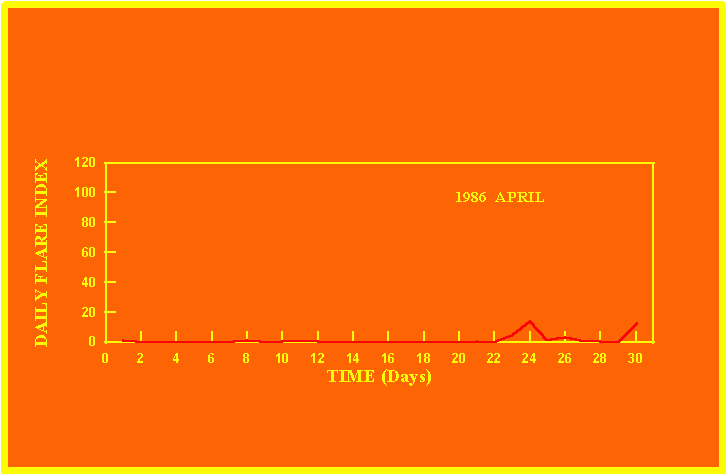
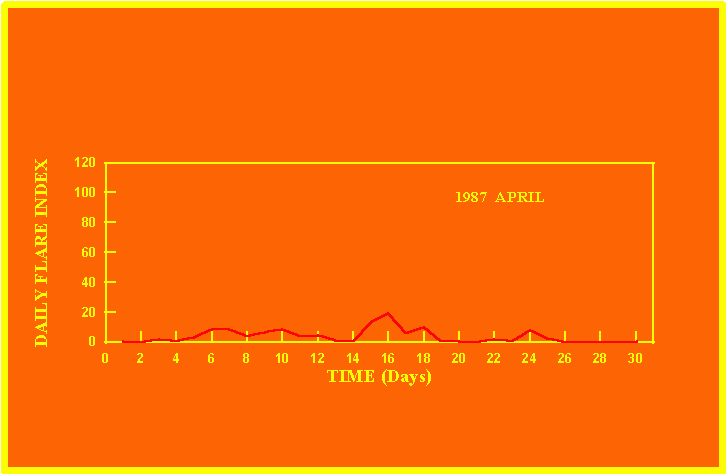
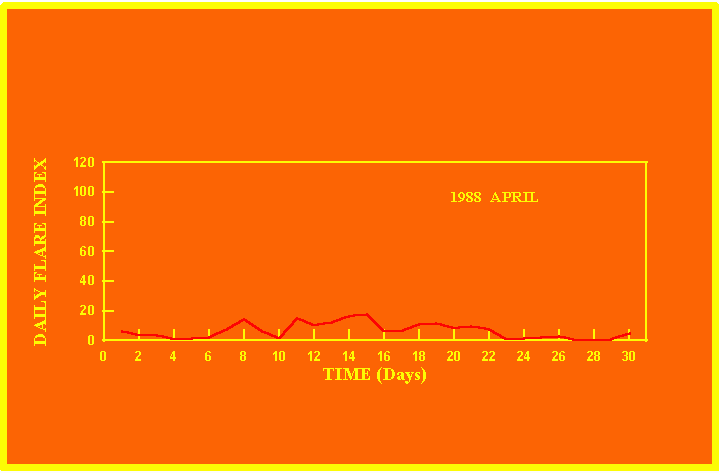
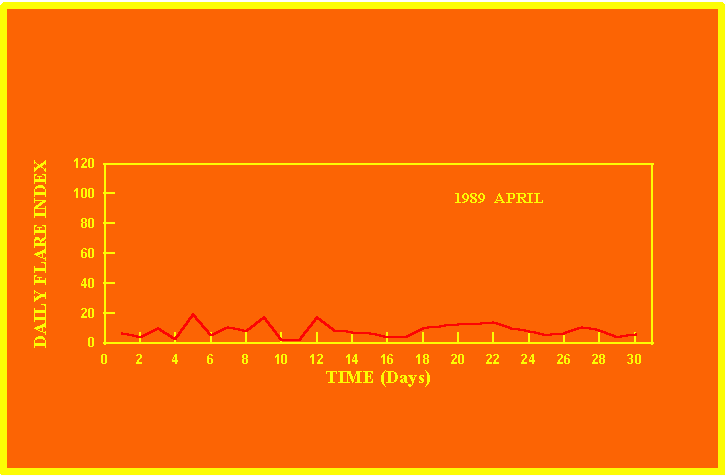
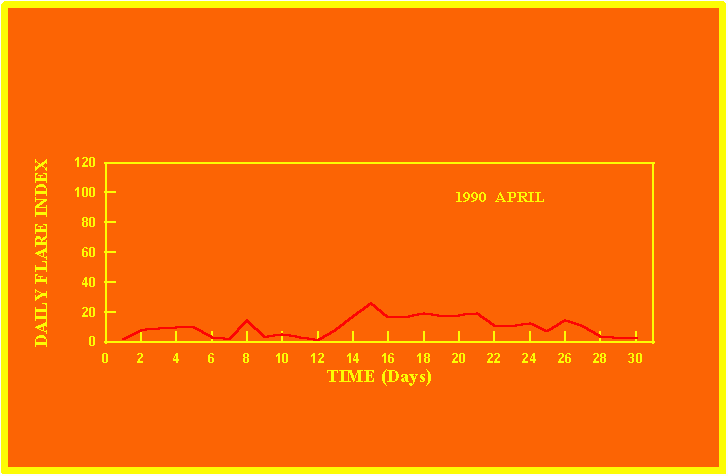
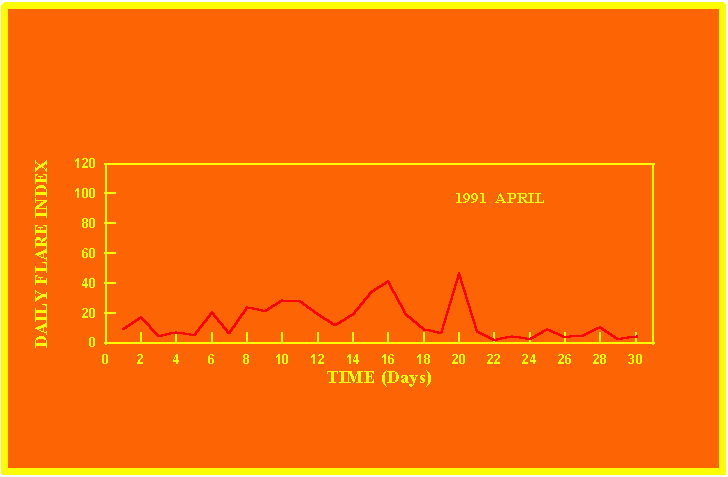
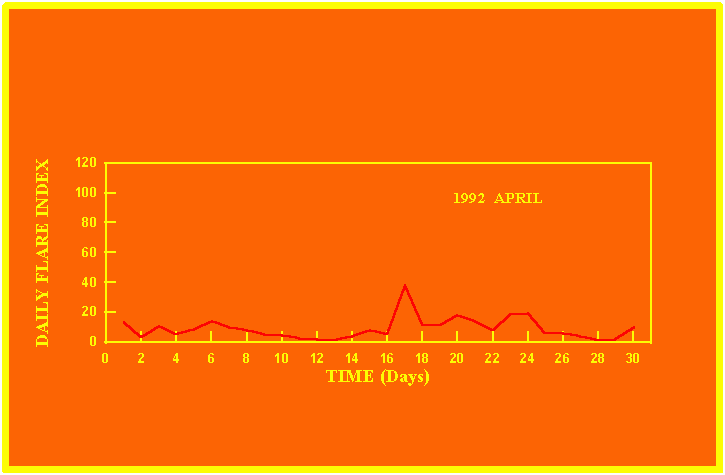
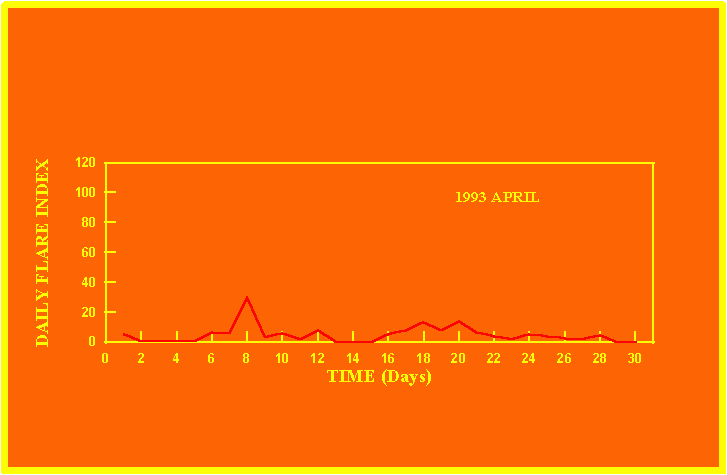
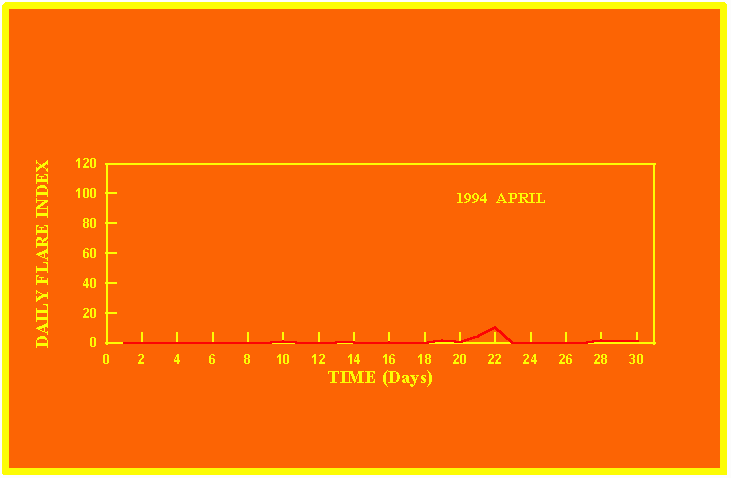
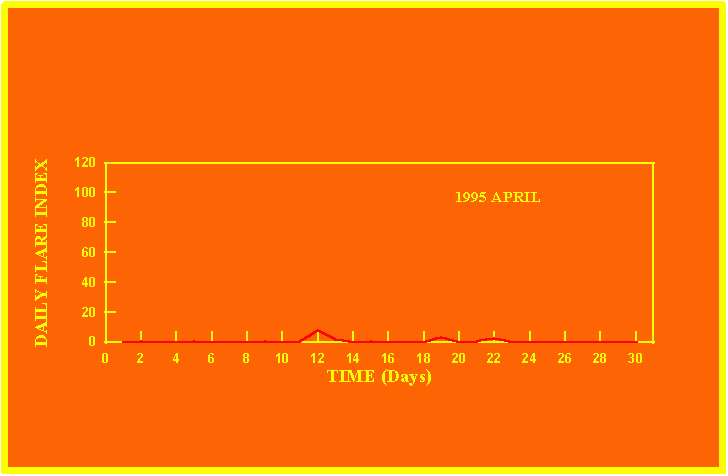
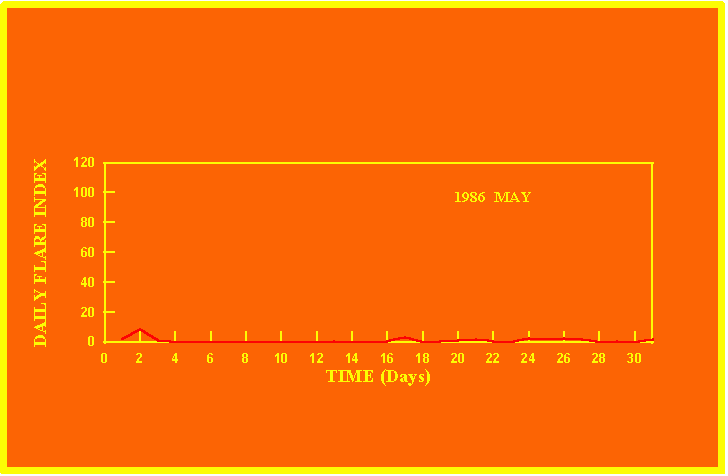
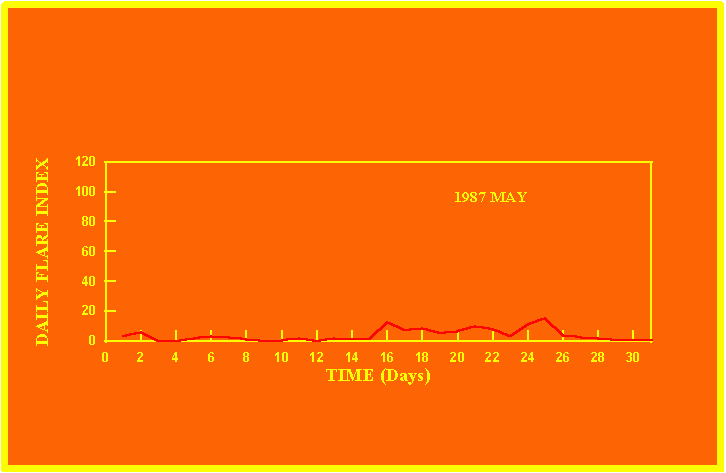
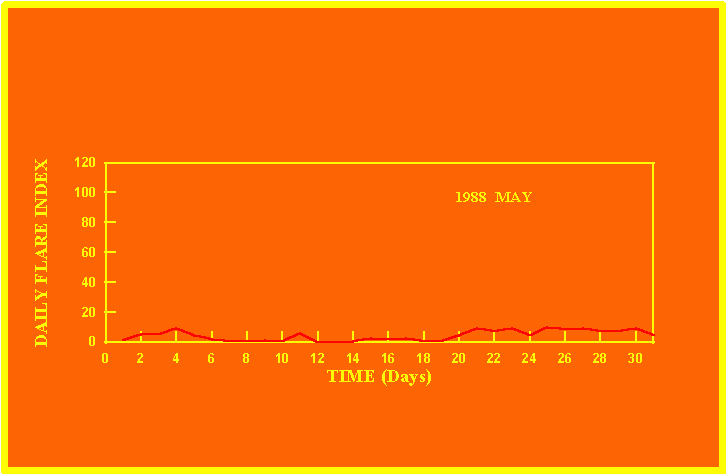
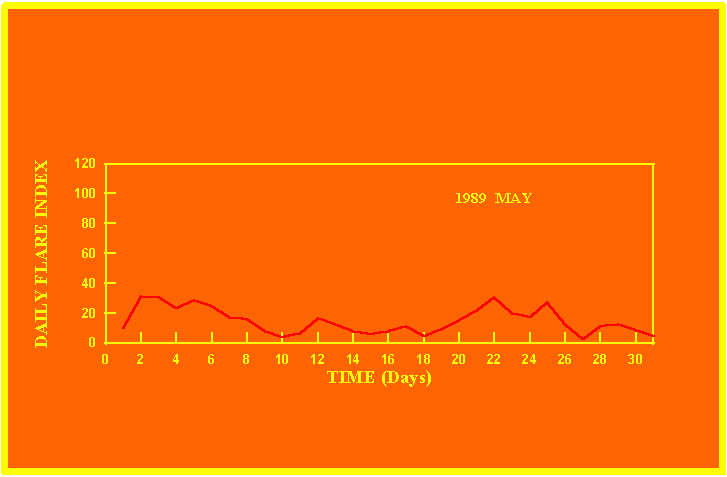
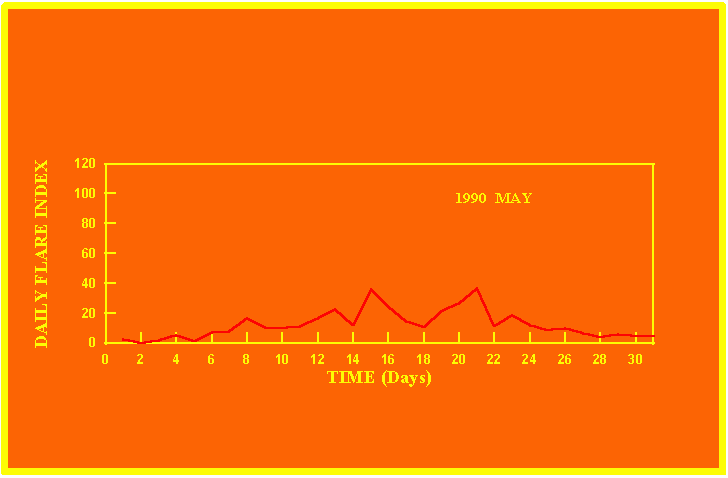
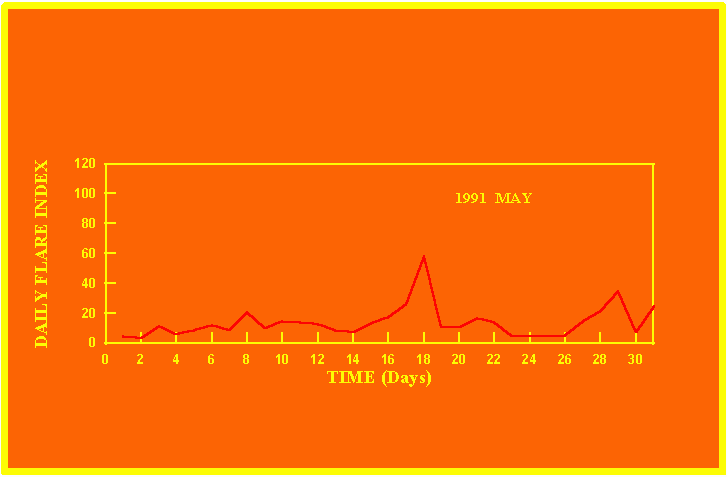
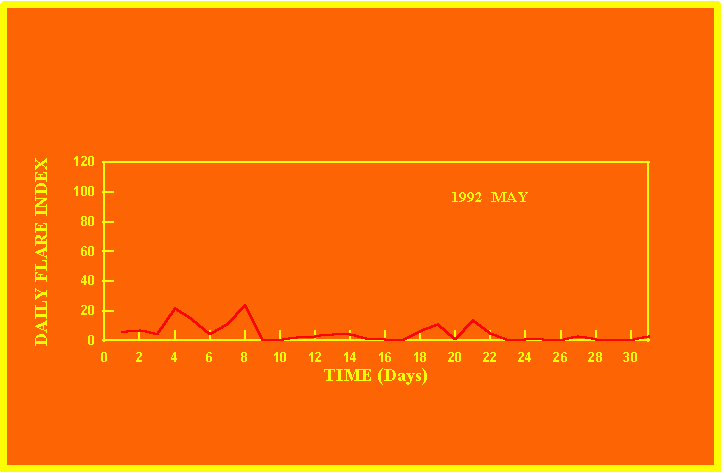
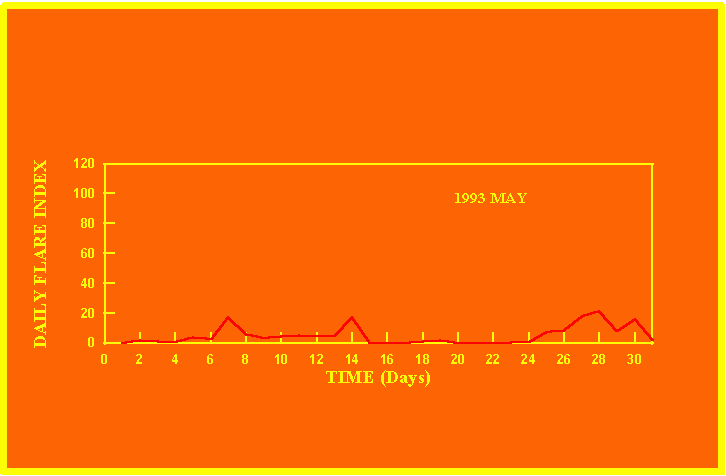
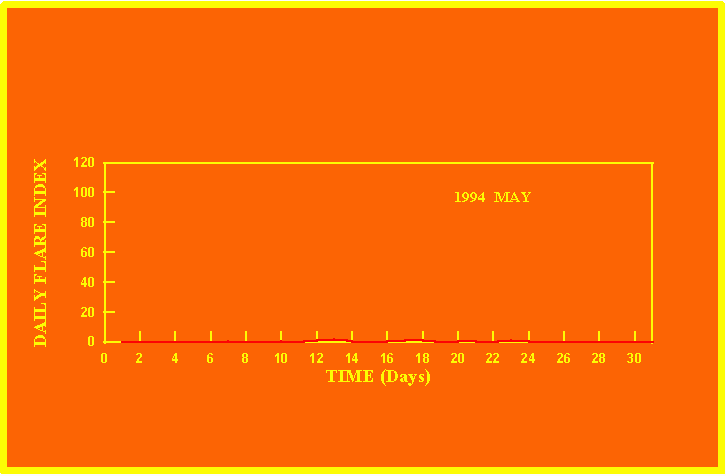
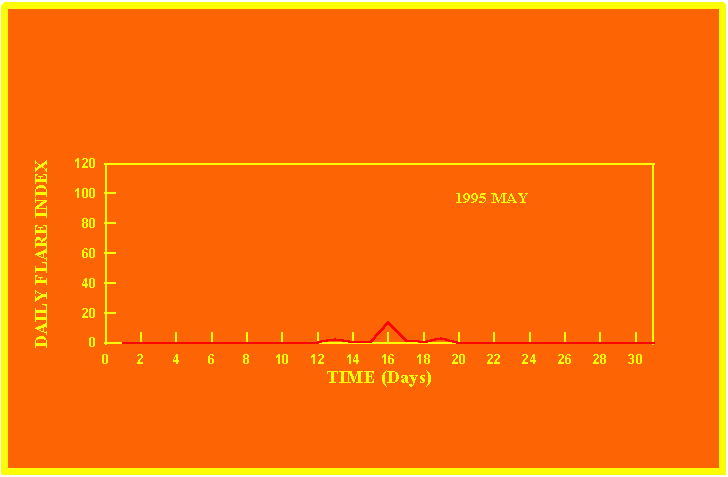
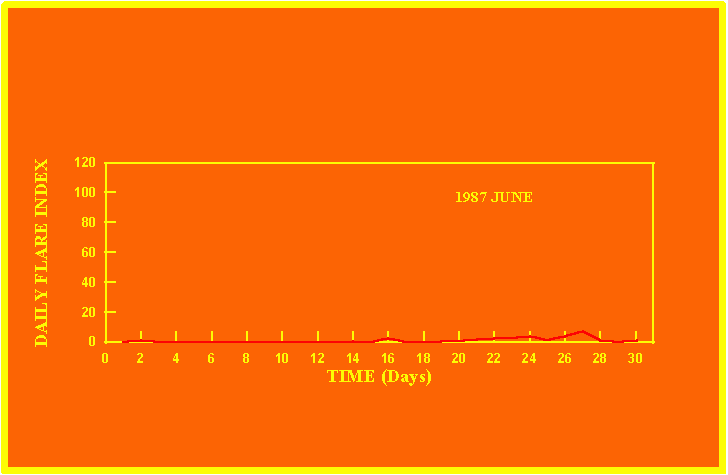
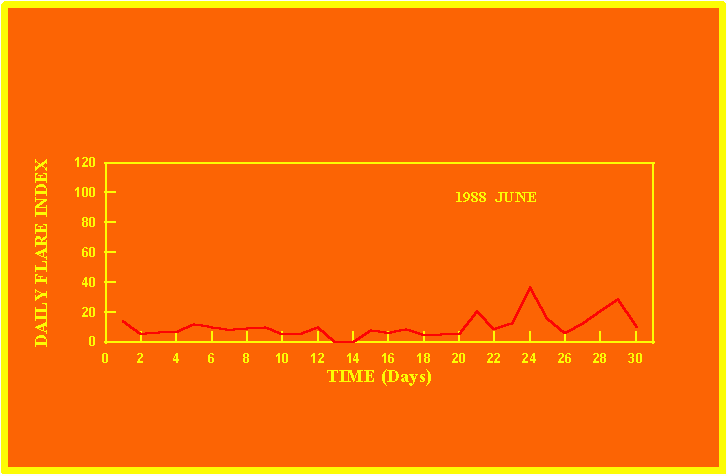
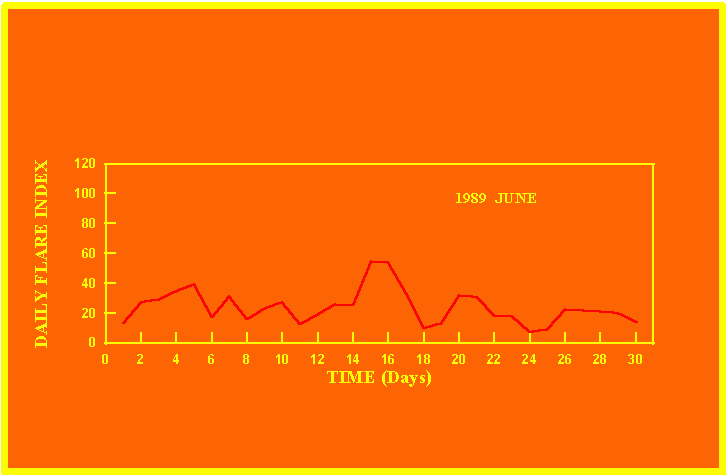
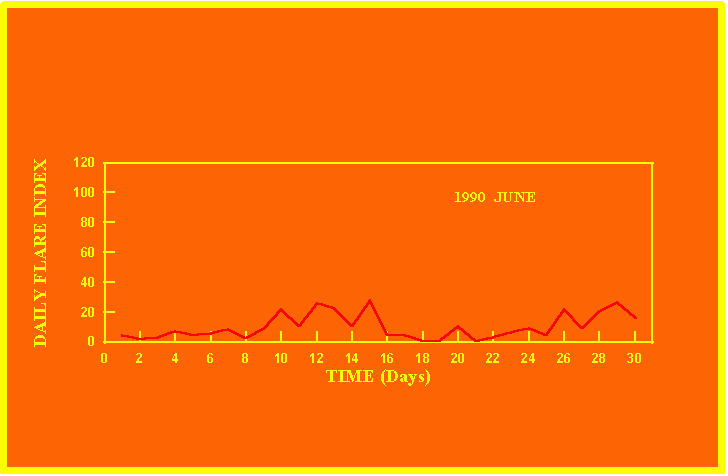
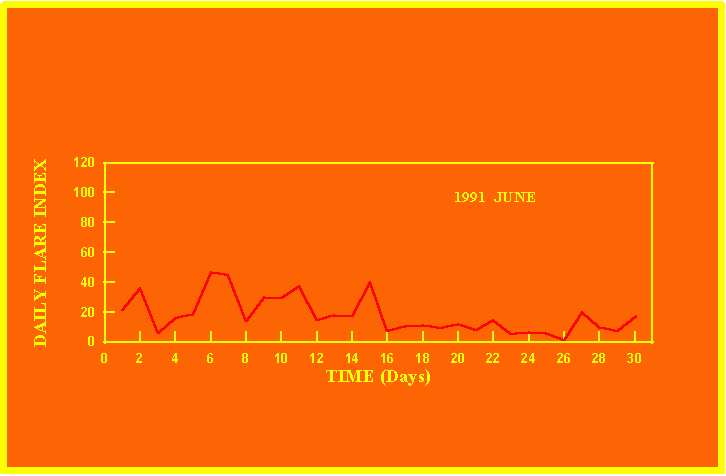
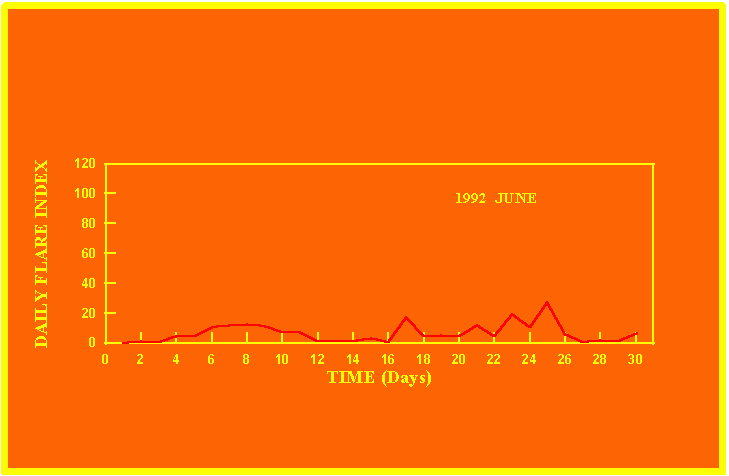
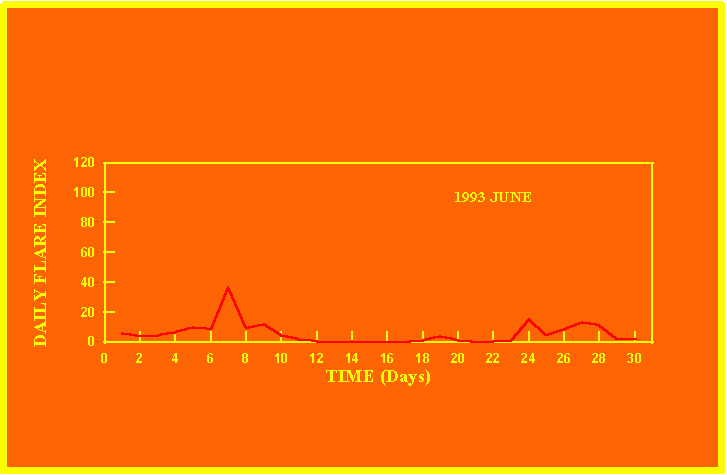
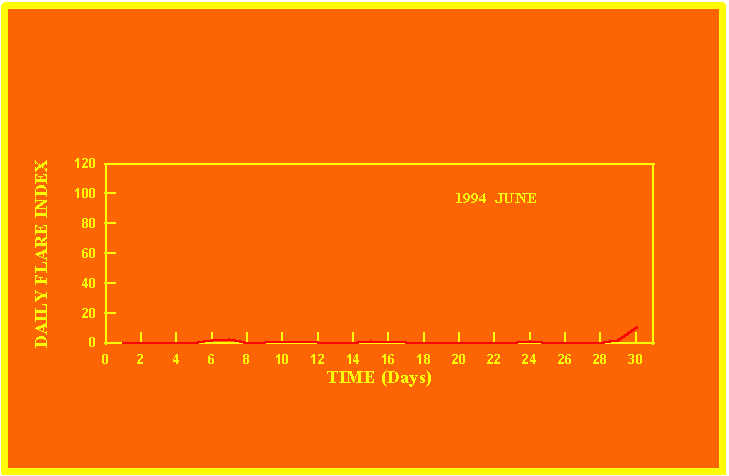
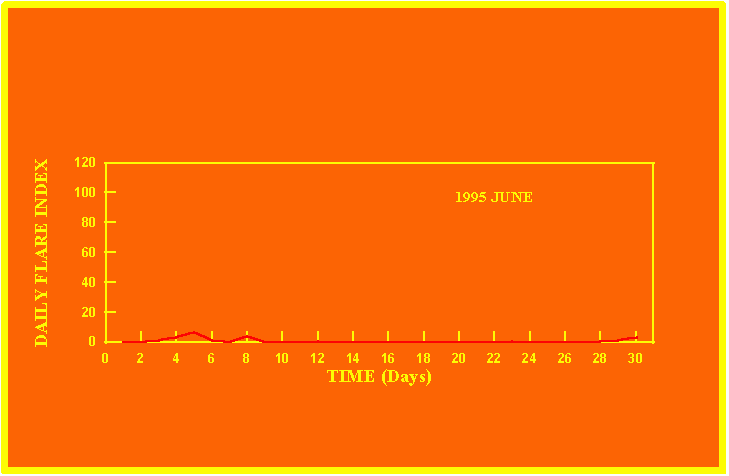
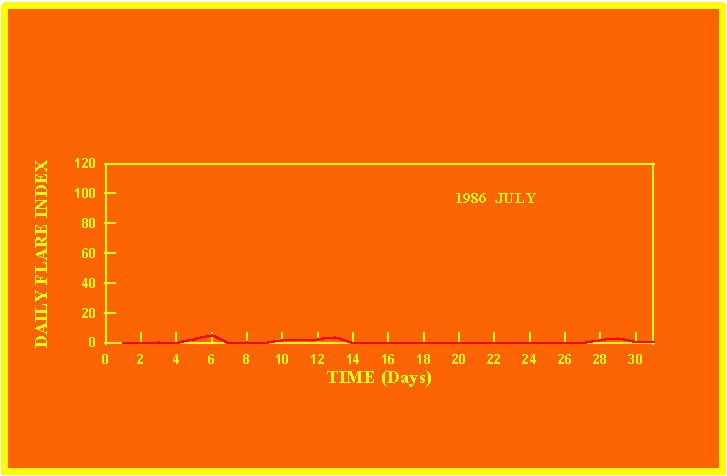
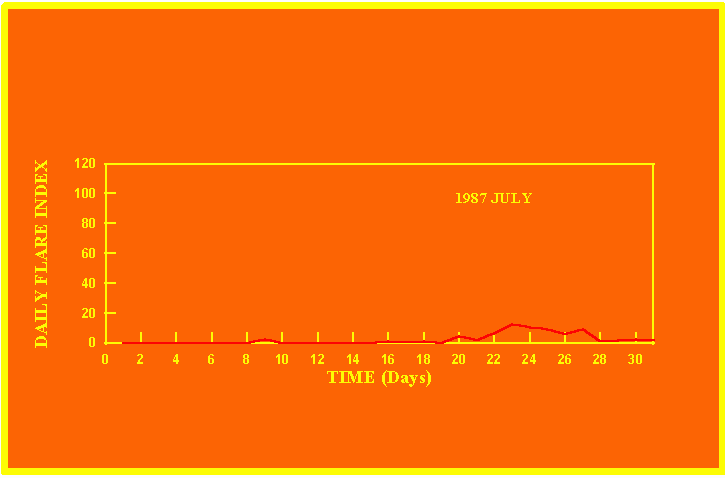
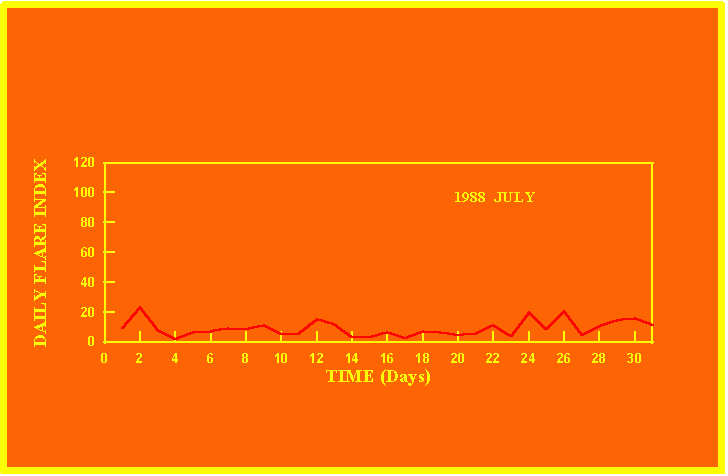
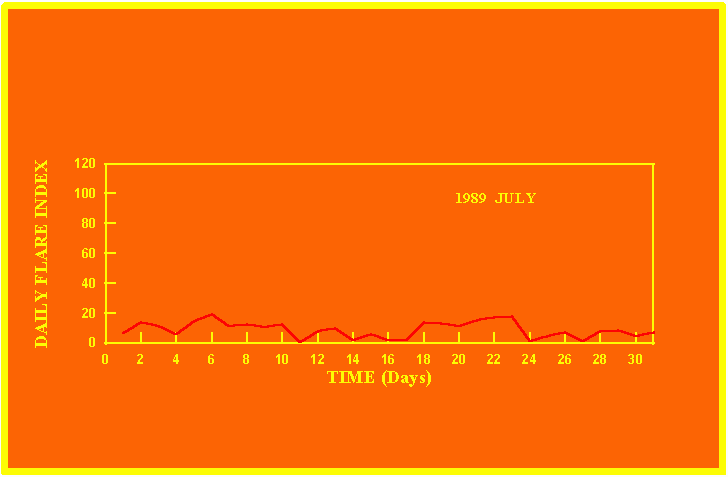
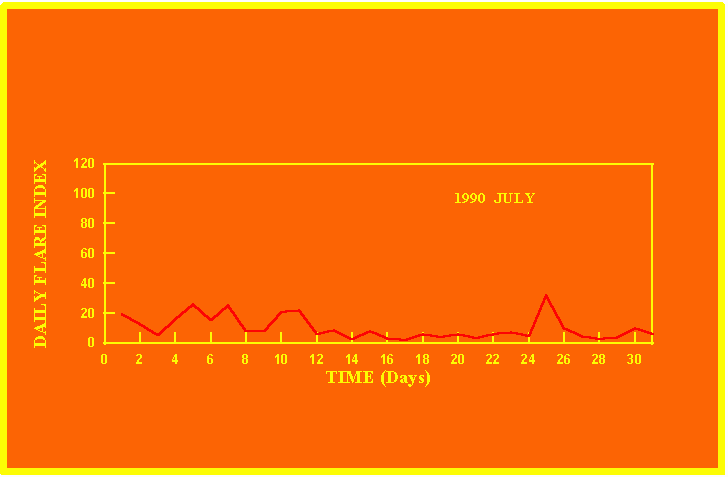
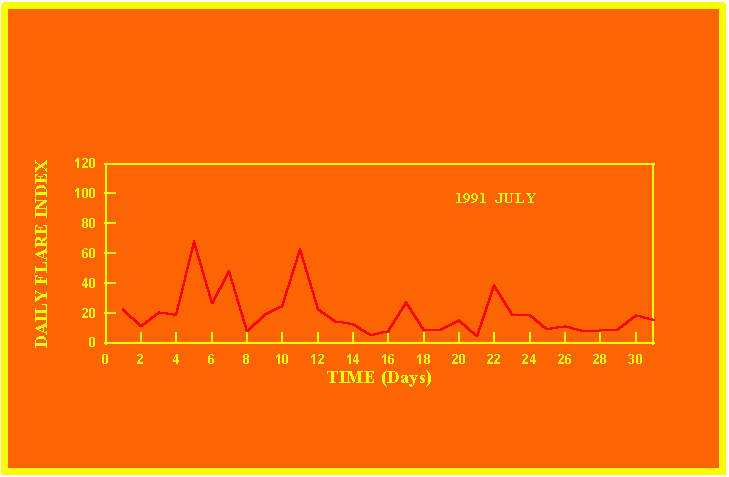
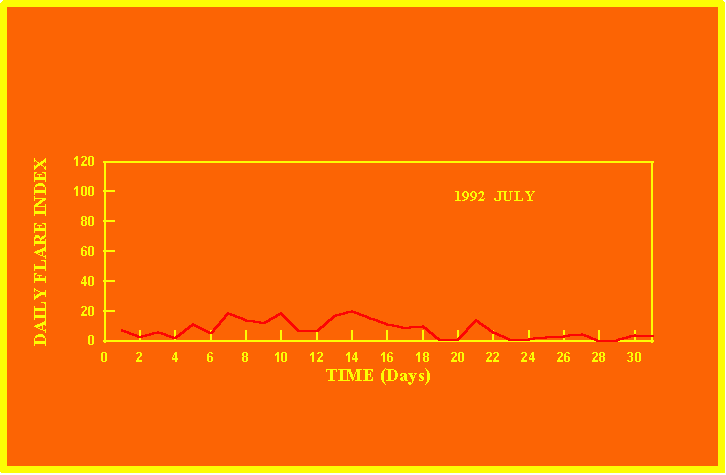
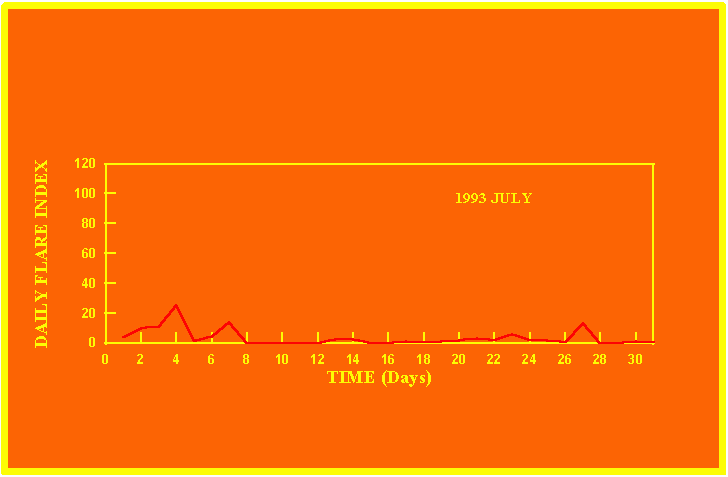
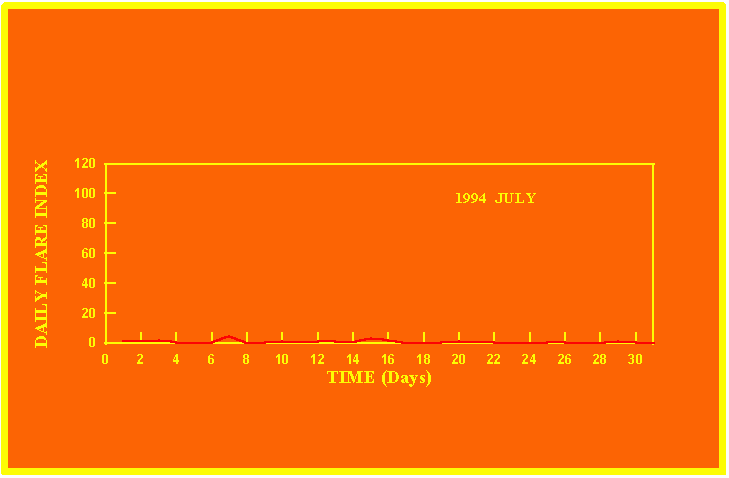
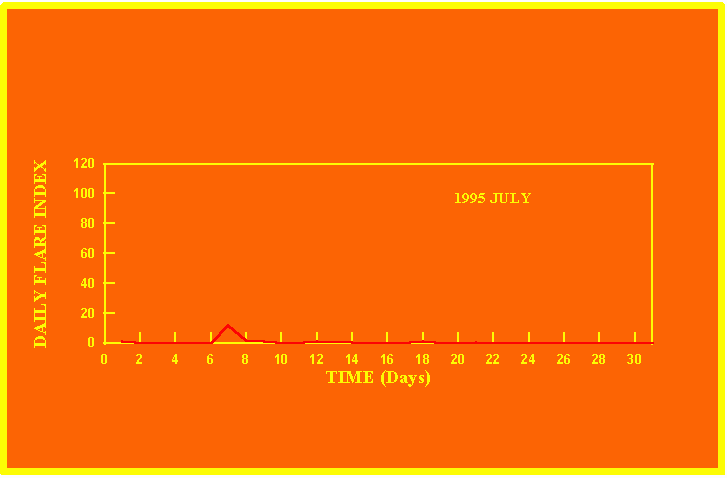
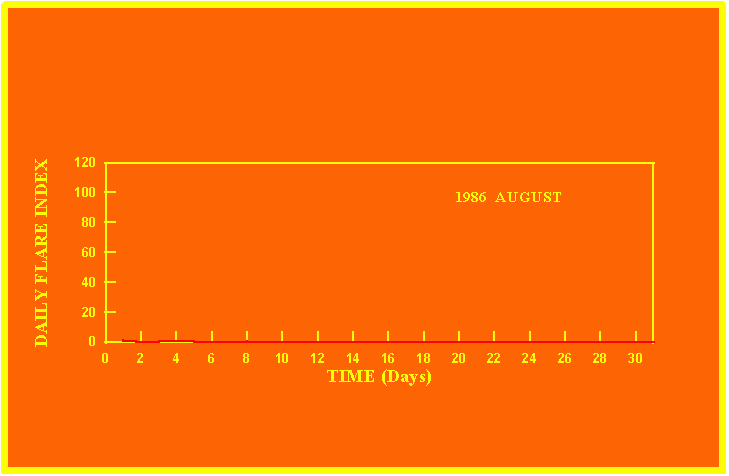
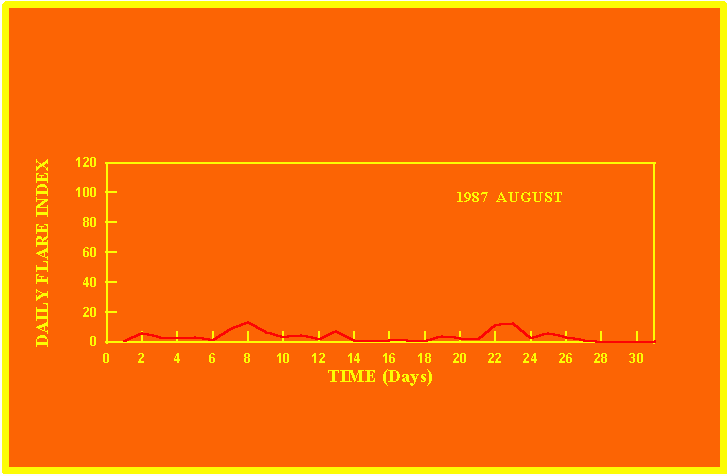
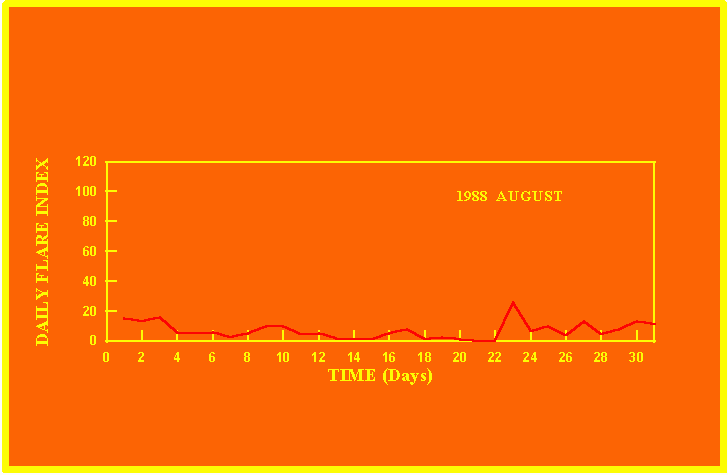
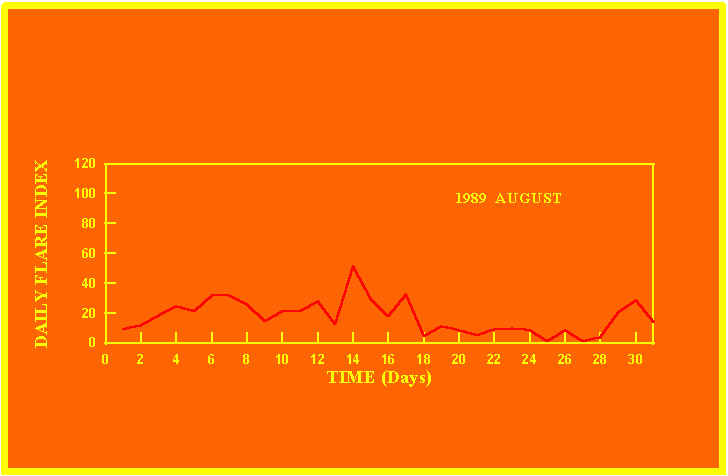
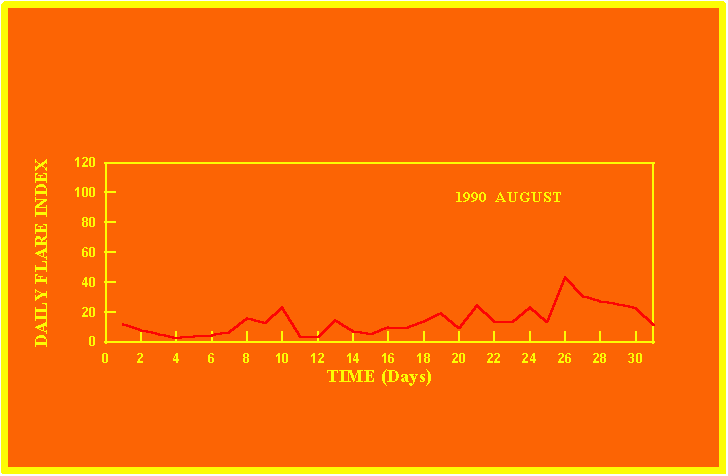
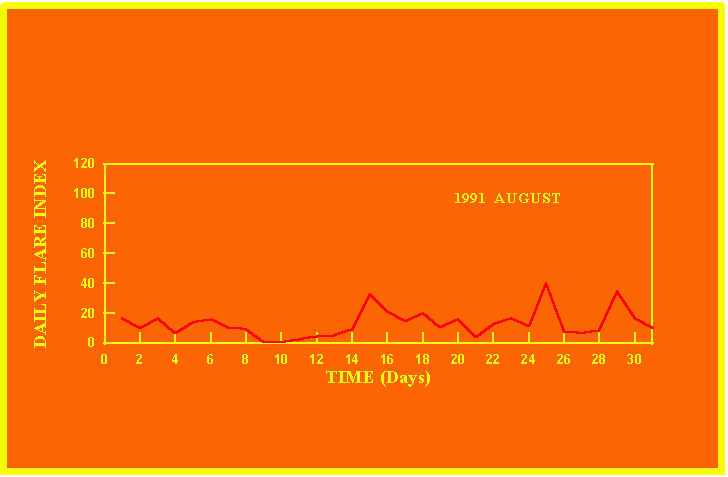
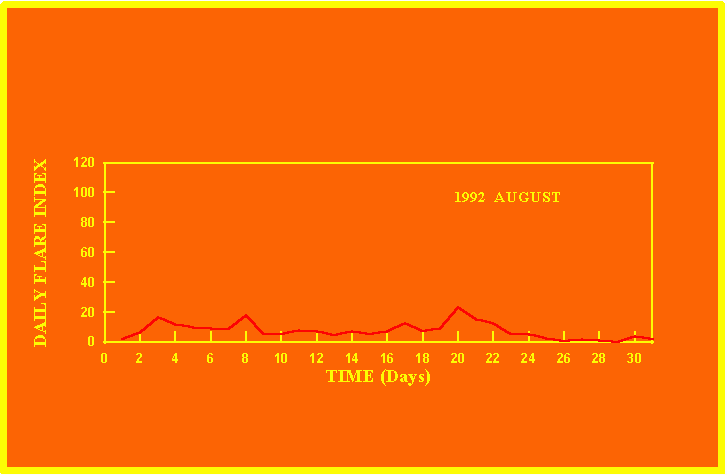
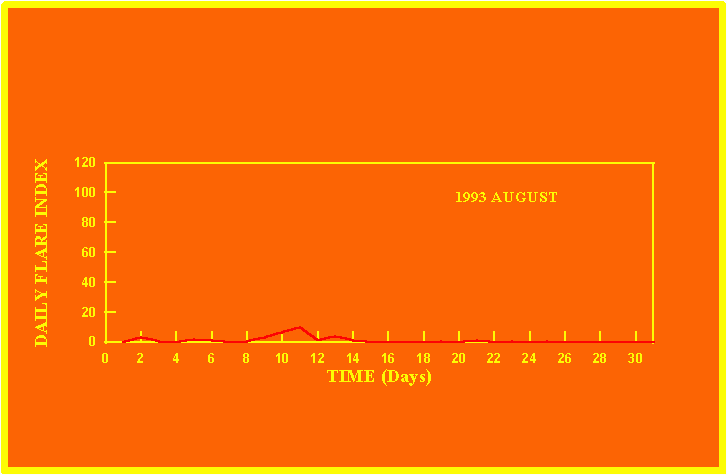
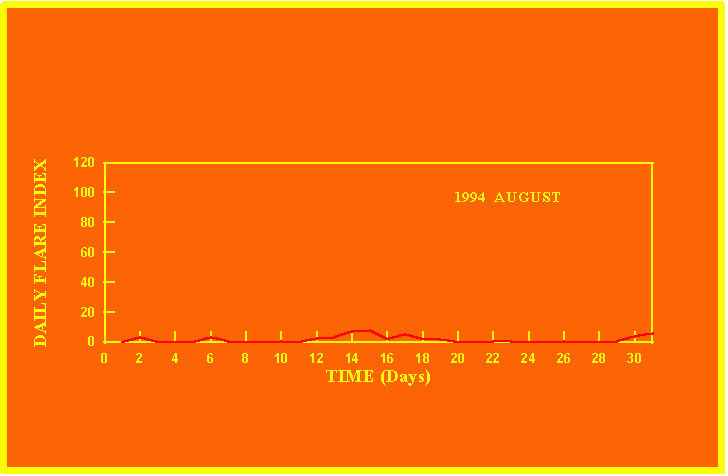
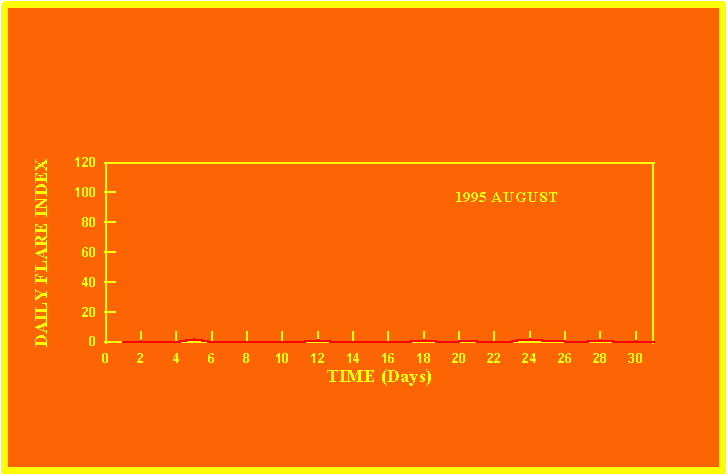
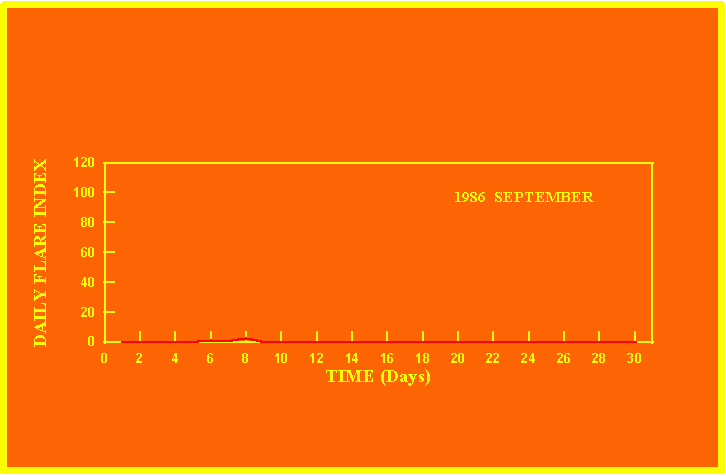
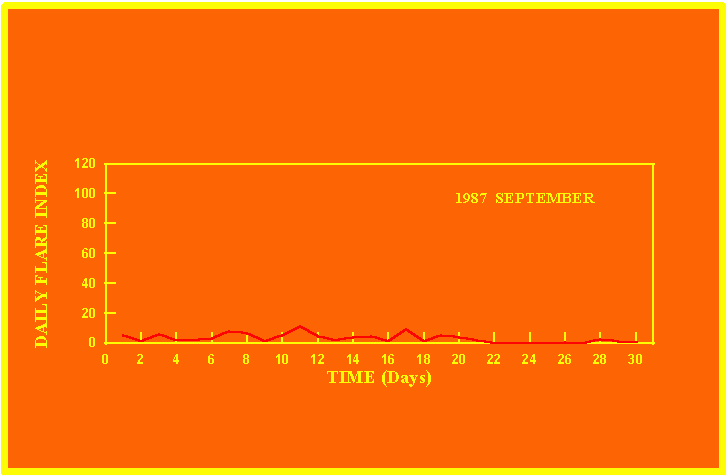
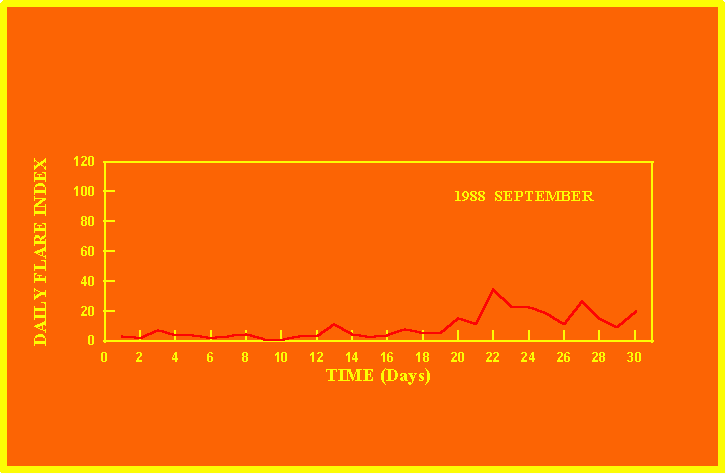
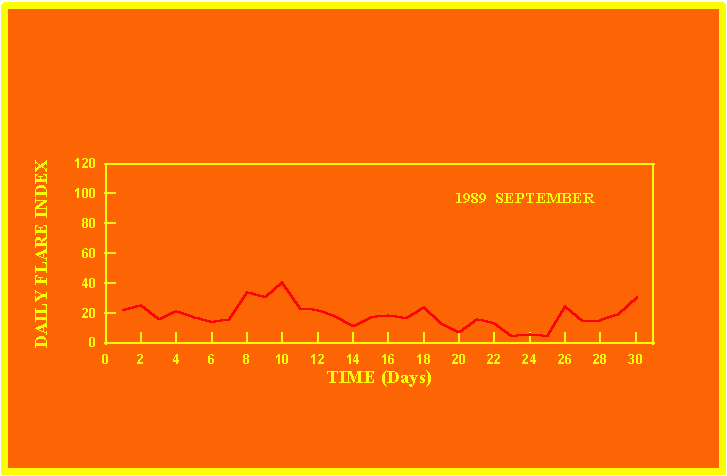
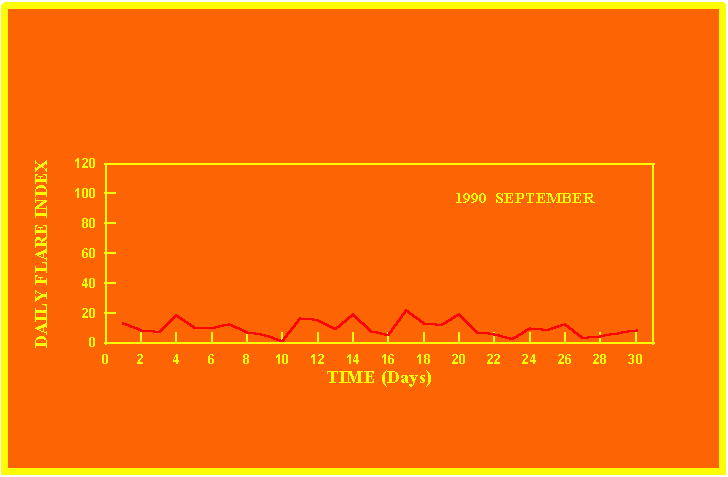
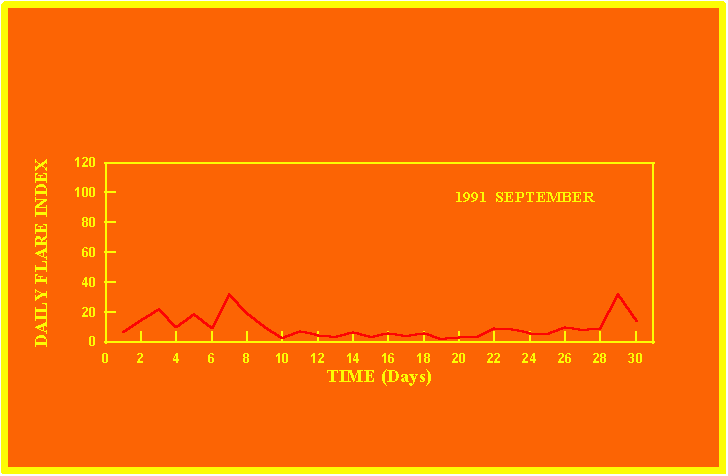
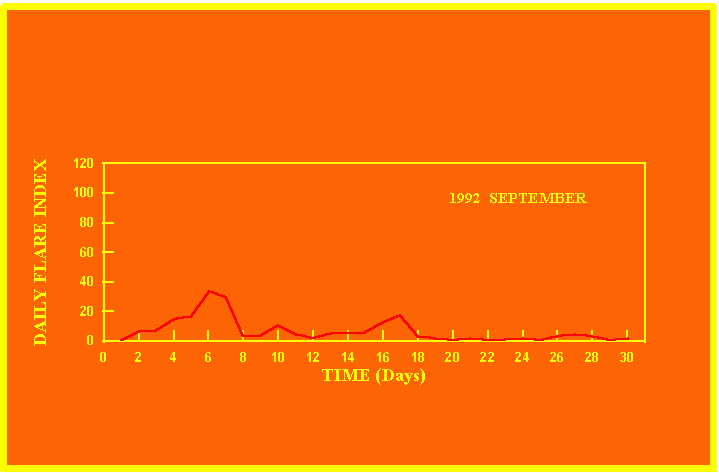
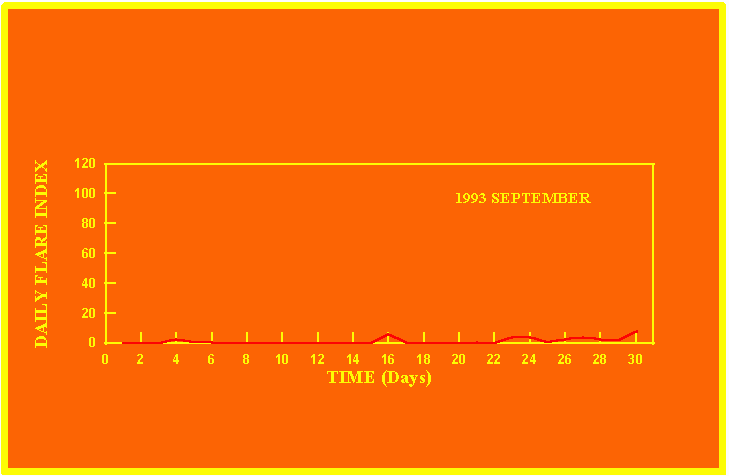
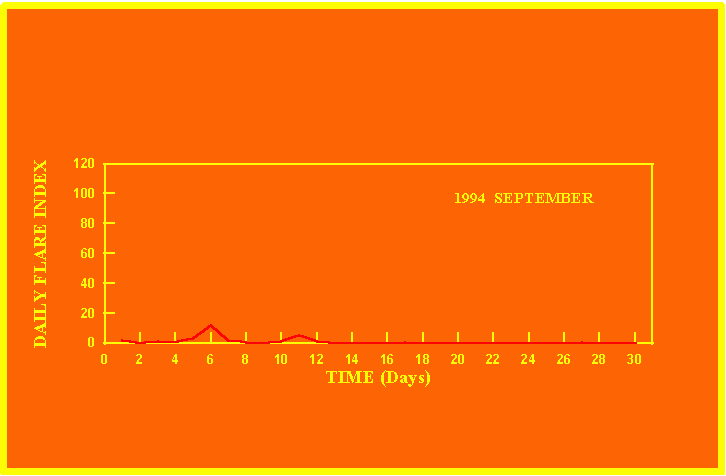
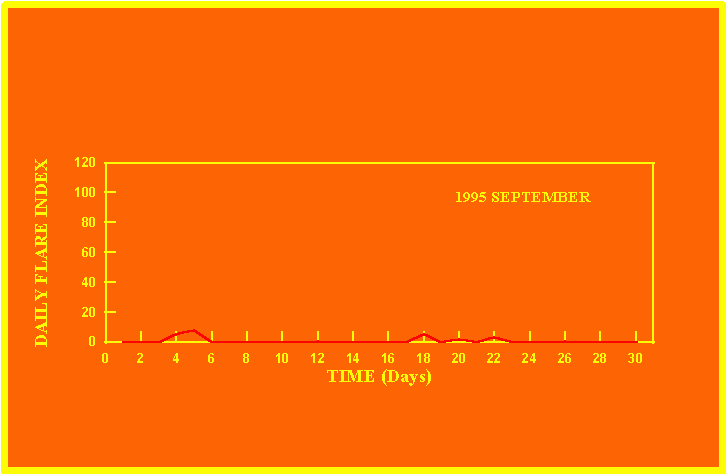
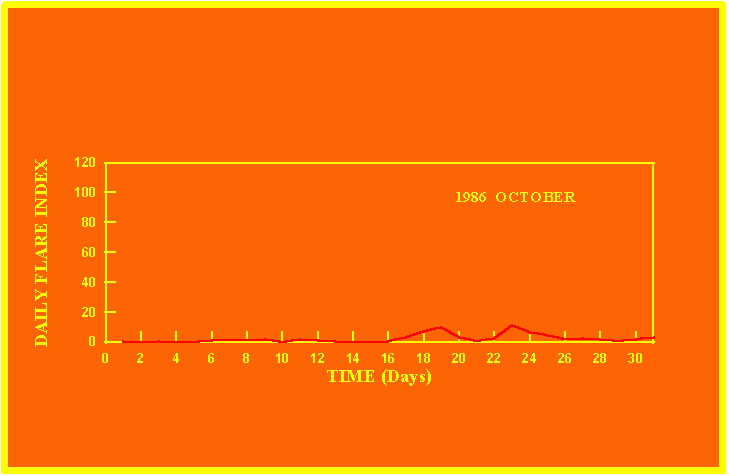
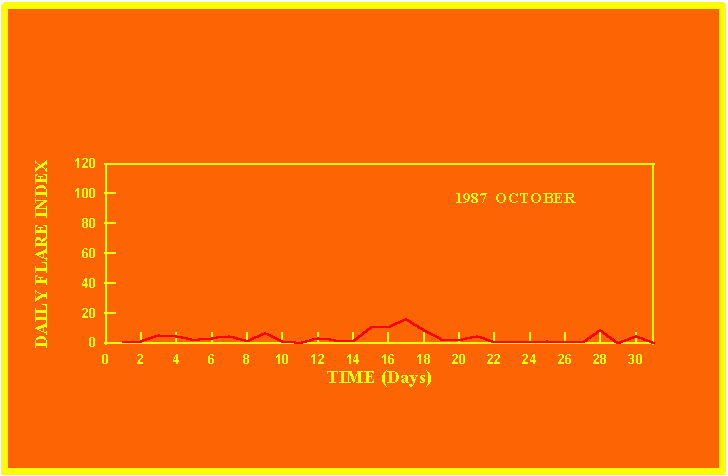
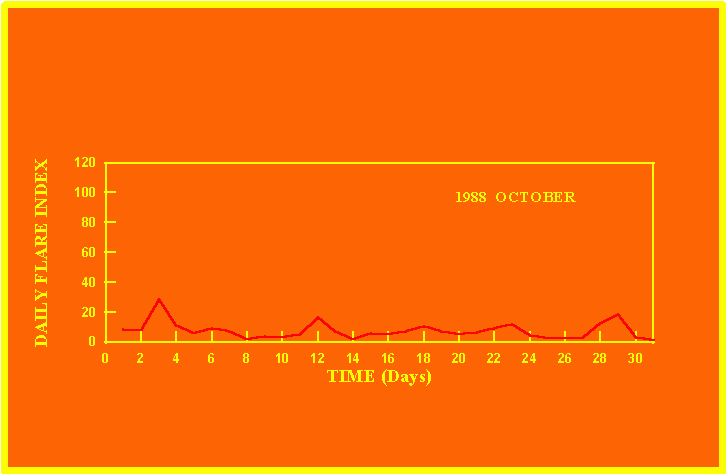
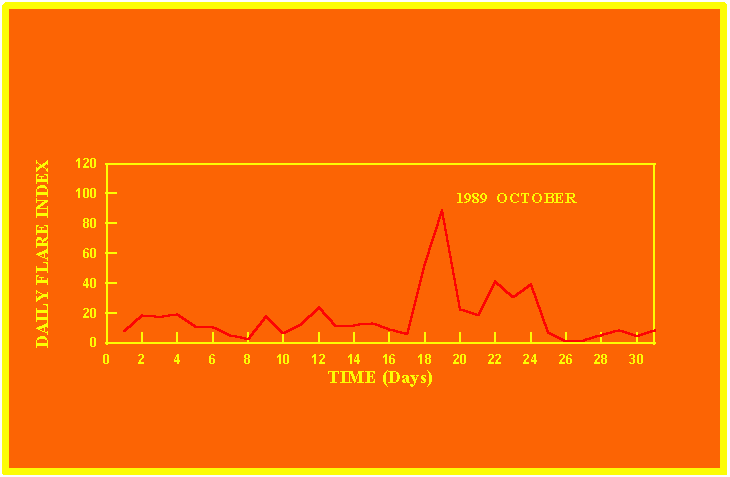
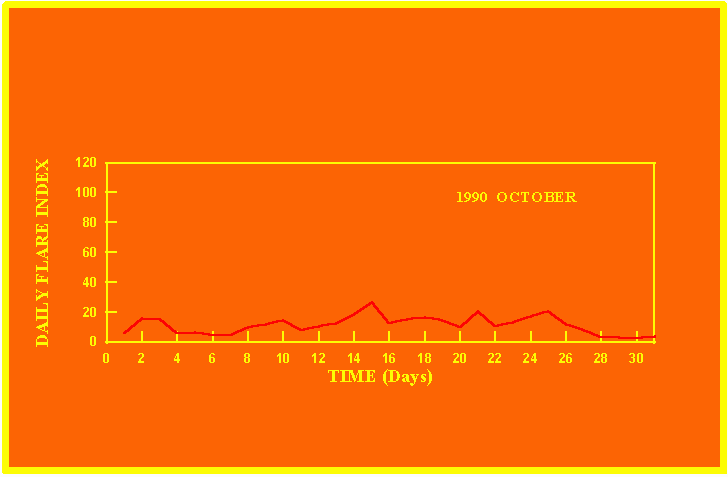
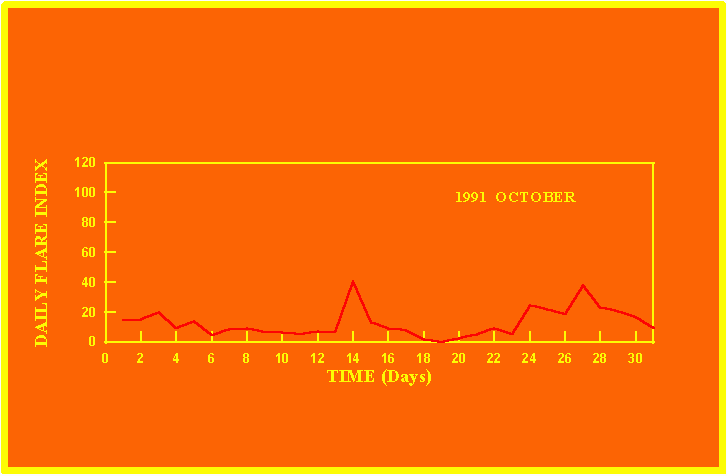
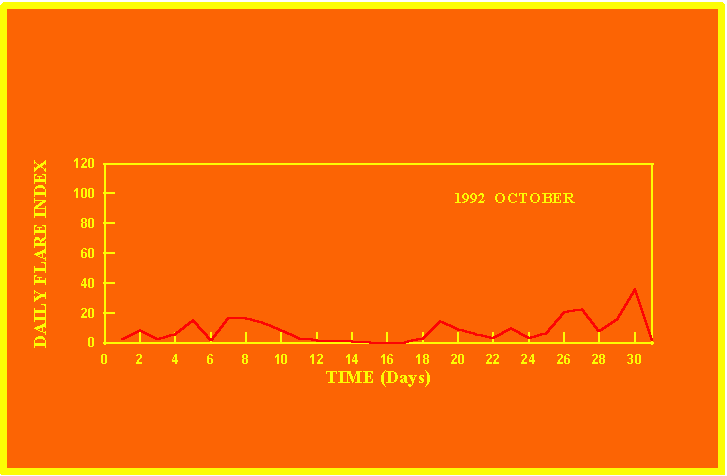
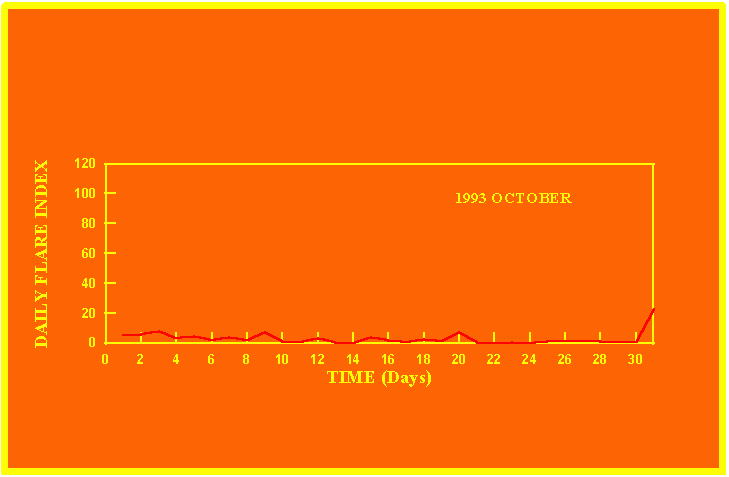
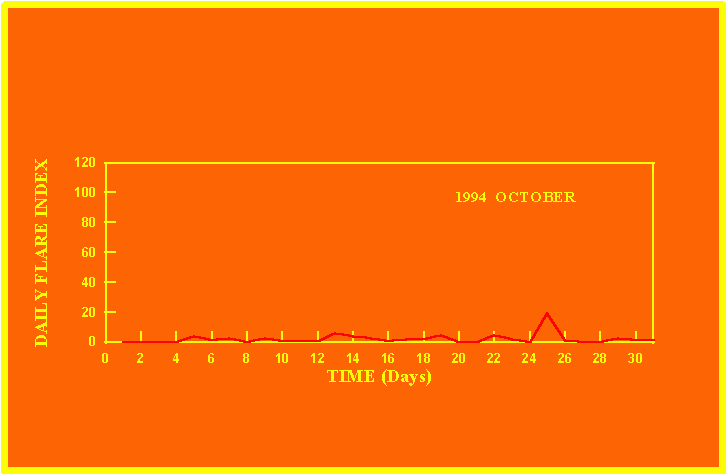
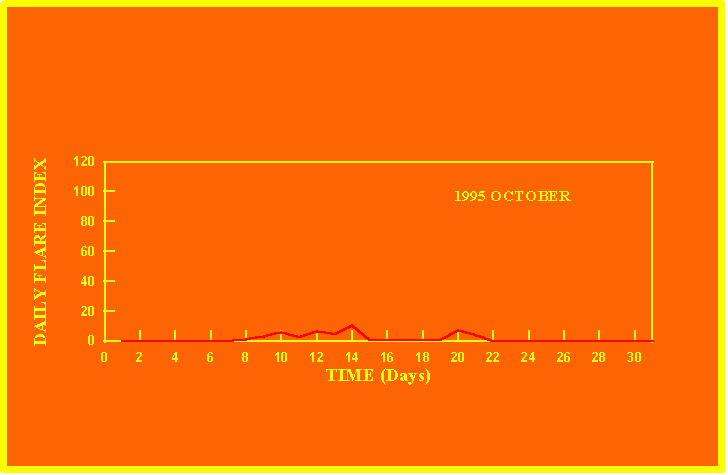
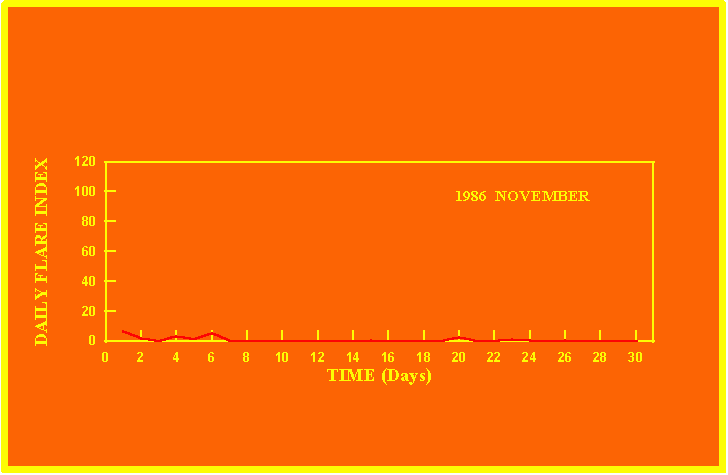
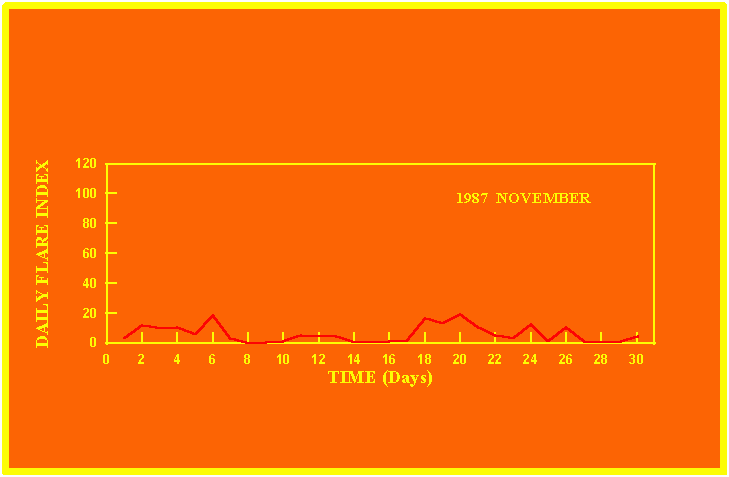
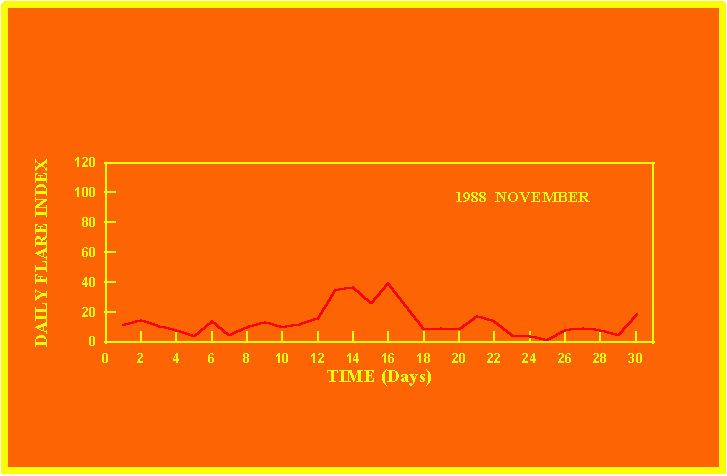
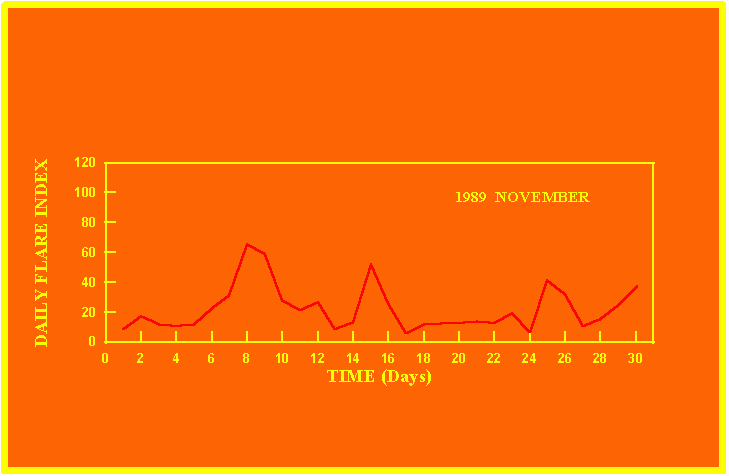
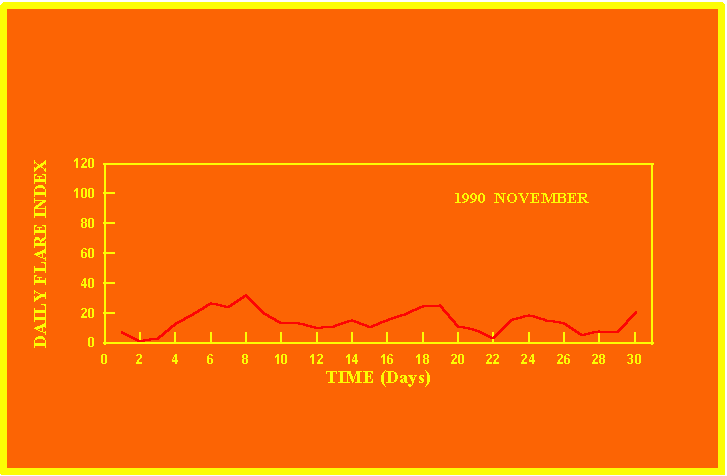
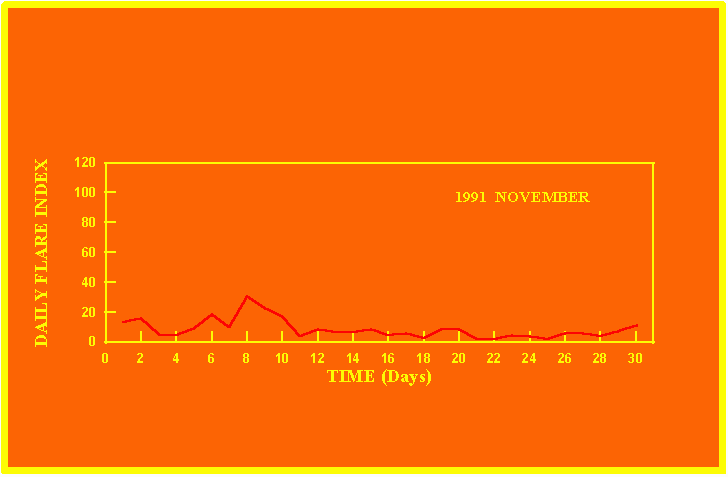
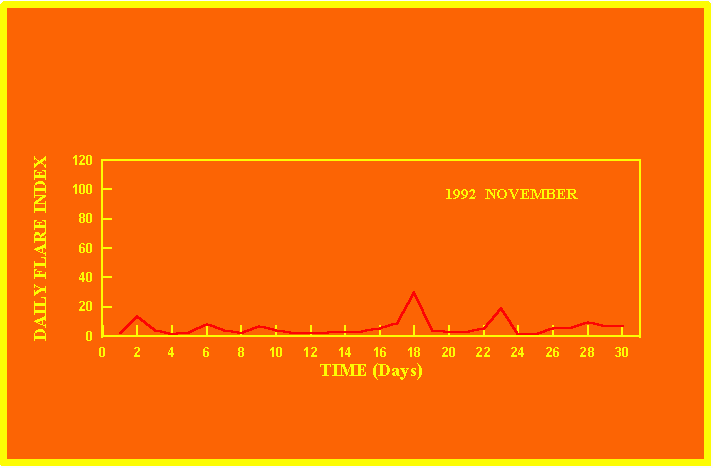
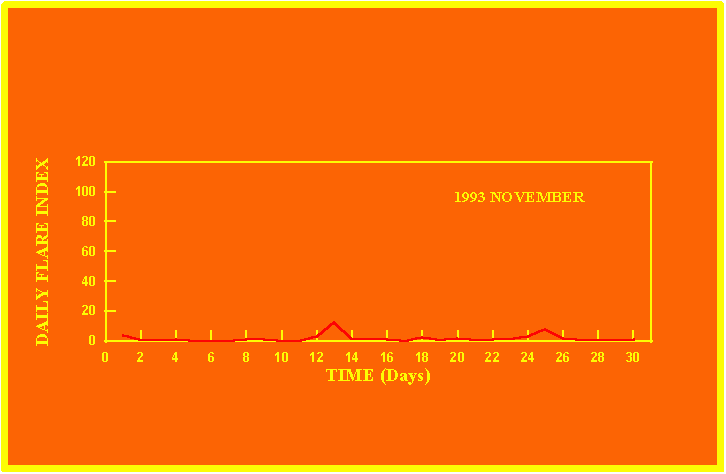
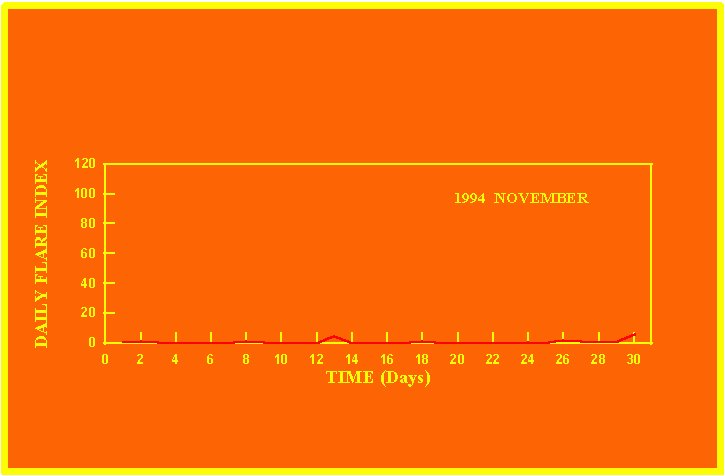
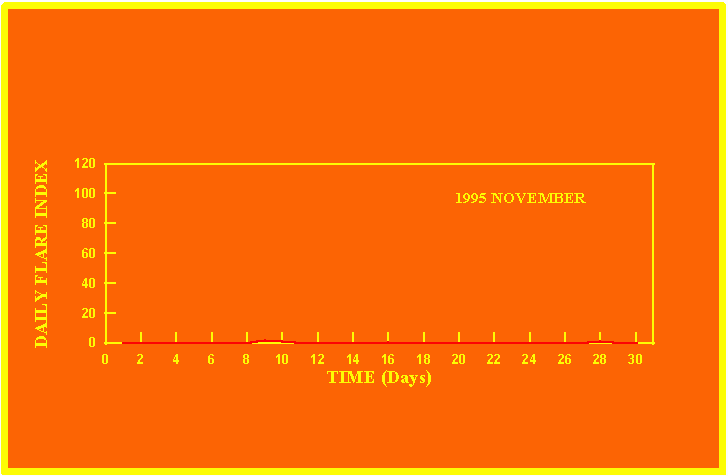
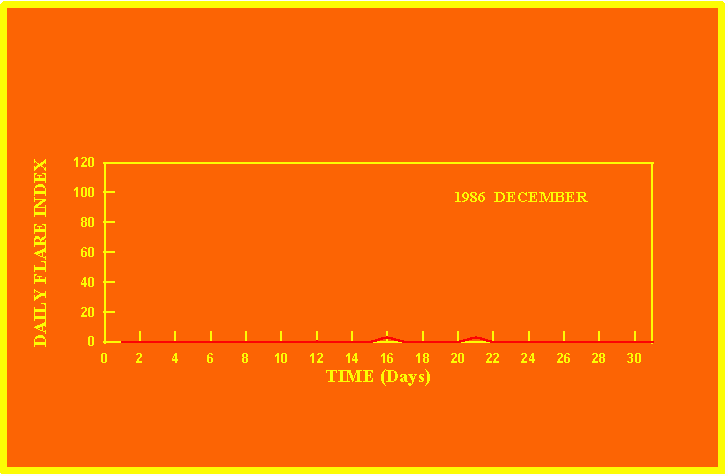
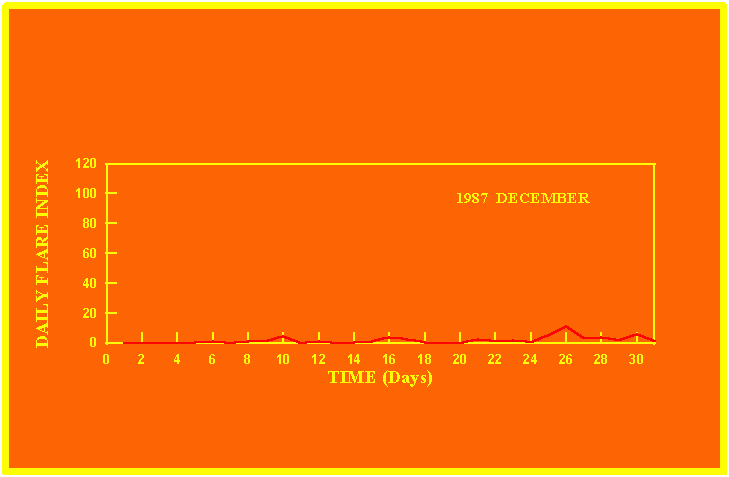
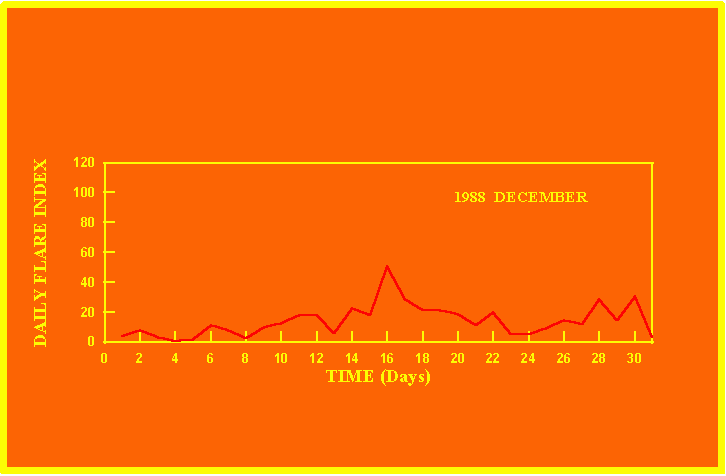
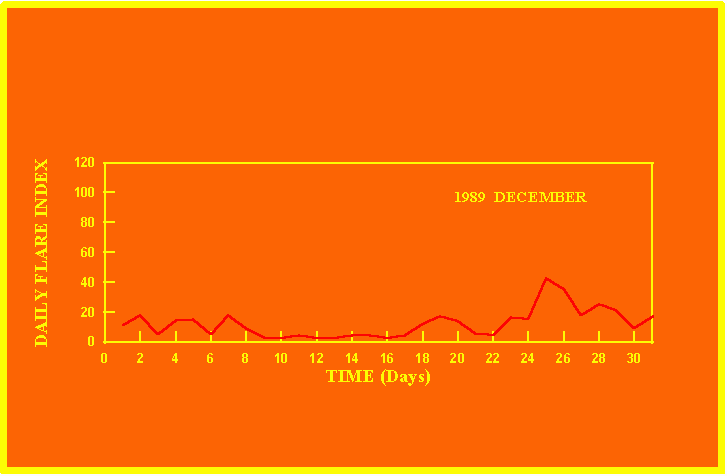
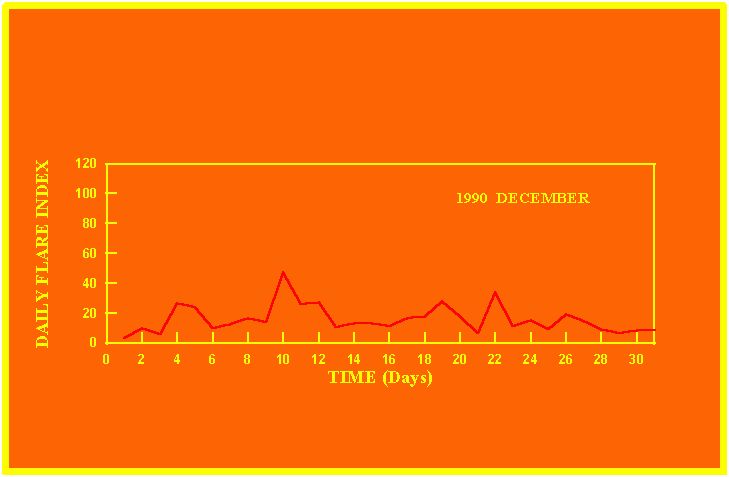
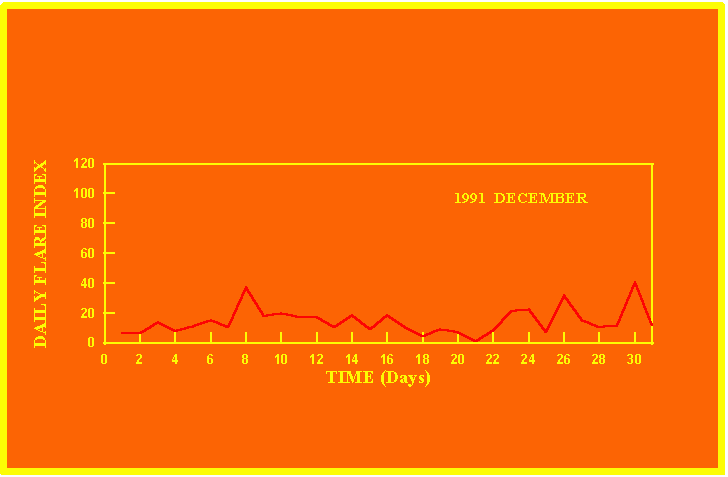
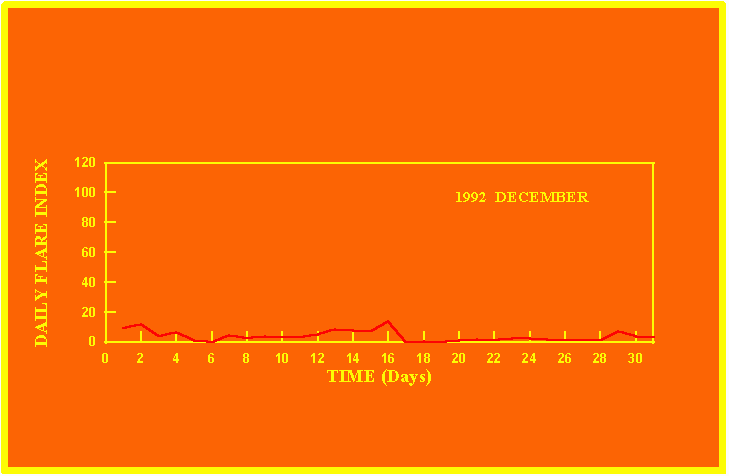
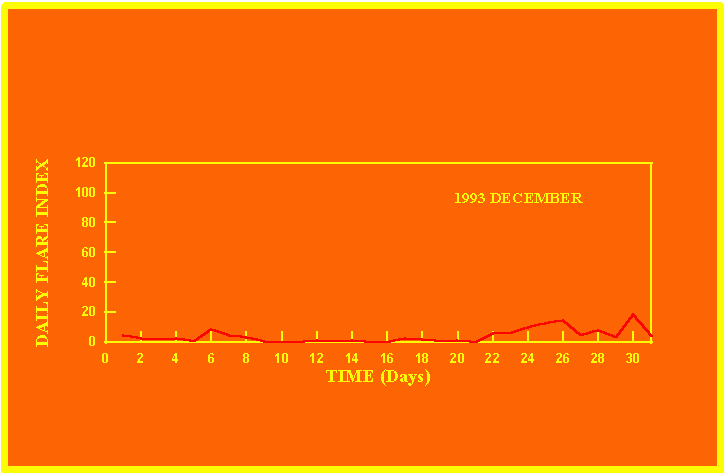
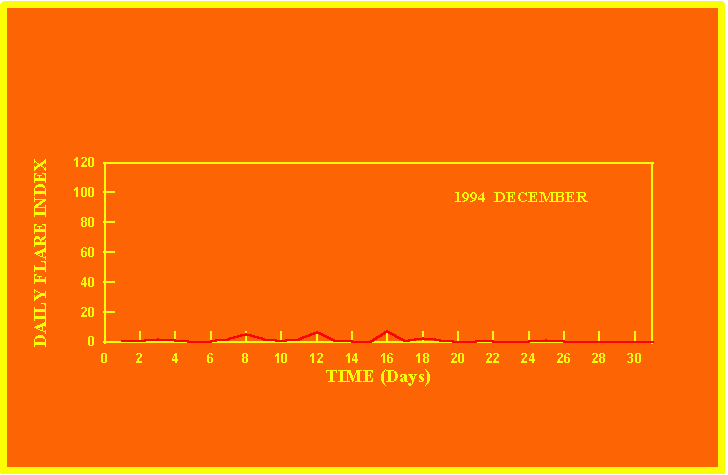
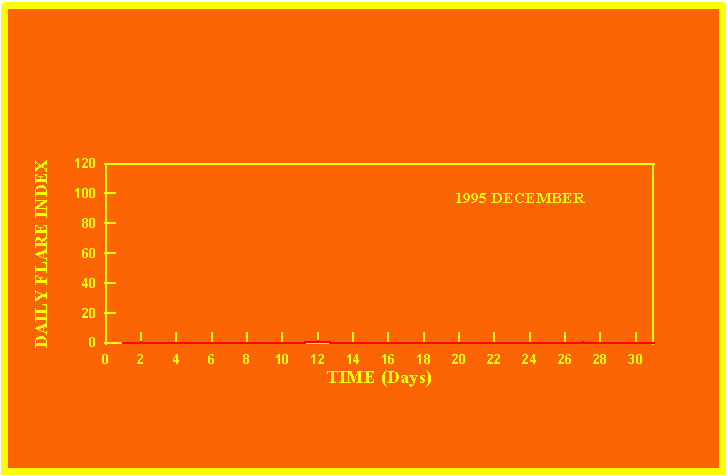
If the value of the daily flare index is lower then 10 during the month, the color of that month is green.
If the value of the daily flare index exceeds 20 once, then the color of that month is yellow.
If the value of the daily flare index exceeds 40 once, then the color of that month is red.
| 1986 | 1987 | 1988 | 1989 | 1990 | 1991 | 1992 | 1993 | 1994 | 1995 |
| JAN | JAN | JAN | JAN | JAN | JAN | JAN | JAN | JAN | JAN |
| FEB | FEB | FEB | FEB | FEB | FEB | FEB | FEB | FEB | FEB |
| MAR | MAR | MAR | MAR | MAR | MAR | MAR | MAR | MAR | MAR |
| APR | APR | APR | APR | APR | APR | APR | APR | APR | APR |
| MAY | MAY | MAY | MAY | MAY | MAY | MAY | MAY | MAY | MAY |
| JUN | JUN | JUN | JUN | JUN | JUN | JUN | JUN | JUN | JUN |
| JUL | JUL | JUL | JUL | JUL | JUL | JUL | JUL | JUL | JUL |
| AUG | AUG | AUG | AUG | AUG | AUG | AUG | AUG | AUG | AUG |
| SEP | SEP | SEP | SEP | SEP | SEP | SEP | SEP | SEP | SEP |
| OCT | OCT | OCT | OCT | OCT | OCT | OCT | OCT | OCT | OCT |
| NOV | NOV | NOV | NOV | NOV | NOV | NOV | NOV | NOV | NOV |
| DEC | DEC | DEC | DEC | DEC | DEC | DEC | DEC | DEC | DEC |
Flare Index Catalog Data (1976-2021)
Solar flares which are the most energetic explosions in the solar system have a direct effect on the Earth's atmosphere.
A solar flare is defined as an enormous explosion which is observed as a sudden, rapid, and intense variation in brightness in the solar atmosphere. It is believed to result from the sudden release of energy stored in the magnetic fields that thread the solar corona in active regions around sunspots involving sudden bursts of particle acceleration, pleasma heating, and bulk mass motion. The Earth's upper atmosphere becomes more ionized and expands. Long distance radio signals can be disrupted by the resulting change in the Earth's ionosphere. A satellite's orbit around the Earth can be disturbed by the enhanced drag on the satellite from the expanded atmosphere. Satellite's electronic components can be damaged. So a flare index is needed to study all the probable solar activities which affect our satellite environment and Earth atmosphere. FLARE INDEX is one of the best indicators of activity variations on the chromosphere. This feature makes the flare index a suitable full-disk solar index for comparison with similar solar indices which reflect different physical conditions from the different layers of the solar atmosphere.